
If pipes bang when a washer stops filling or a tap closes, contact a qualified plumber and describe that timing. Water hammer is one possible explanation, but a sound alone does not identify its cause or the right part. Report any recent plumbing or appliance work and any water, pressure change or equipment warning already noticed. For a dry noise-only concern, arrange assessment without repeatedly recreating the bang. If water is escaping, use the relevant leak response and safe known isolation instructions first; request urgent help for continuing water or unsafe access.
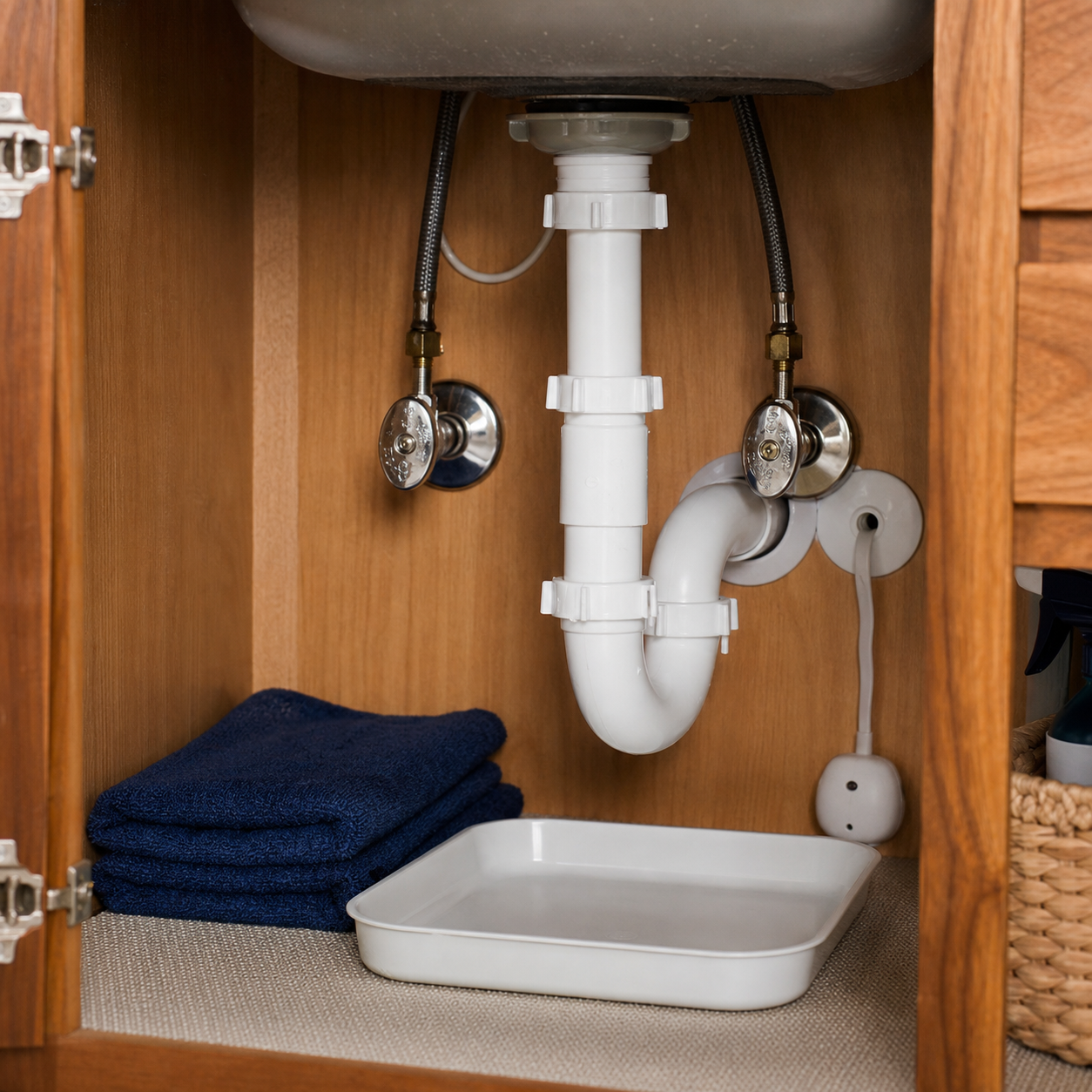

First decide whether this is a noise report or an active leak
If water is spreading, a ceiling is wet or electrical equipment is exposed, put that response ahead of identifying the sound. Stay clear of the affected area and call the appropriate urgent plumbing/building contact. Operate only an already identified, safe and authorized water control under its established instructions; get urgent isolation help if access or operation is uncertain.
CDC warns against switching power or using electrical equipment while standing in water. Do not enter water to reach a washer plug, pump controller or breaker. Leave immediate danger and call 911. A noise by itself, with no known hazard or escaping water, is a different report: arrange qualified assessment and ask what use is appropriate while waiting.
The useful clue is when the sound happened
Water hammer describes a pressure disturbance associated with an abrupt flow change. GE’s washer support identifies inlet-pipe rattling as filling stops as likely water hammer and recommends a plumber to establish the cause and solution. Oatey names several quick-closing fixtures and explains how loose piping can make the bang audible. These examples do not diagnose every knock in a home.
Keep the account literal: “one bang when filling stopped” is more useful than “the new washer is defective.” GE separately describes spin/drain banging that can involve a load or drain hose and points to the exact model’s installation instructions. You do not need to move the machine or repeat a cycle to establish which description you already observed.
Use this original reporting table for the event you heard. A room where the noise seemed loudest is a location clue, not a confirmed failed fitting. Leave an uncertain cycle stage or source marked unknown.
| What already happened | Useful report and contact |
|---|---|
| A bang as the washer stopped filling | Give the fill-stop timing and whether it seemed to come from supply piping. Ask a plumber about household supply assessment; give appliance identity if known. |
| A bang during washer spinning or draining | Report that stage separately. Ask appliance support or the installer about the actual model and installation; do not assume supply-pipe hammer. |
| A bang after a tap or toilet finished using water | Name the fixture and event already observed. Ask the plumber to establish the cause instead of choosing a valve or arrestor from the sound. |
| Noise with pump cycling or heating operation | State the known system and any pressure/heat warning. Use the well or heating provider; do not apply household tap advice to its controls. |
| Noise accompanied by visible escaping water | Report active water and access hazards first. Use the relevant urgent leak response; the noise diagnosis can follow. |
After plumbing work, keep the before-and-after facts
Contact the company that performed the work and give the date, work description and first noticed change. Retrieve the invoice or installation record. Note whether the noise was heard before the visit, first noticed afterward, or simply not previously observed. The timing is worth reporting; it does not prove that the work caused the problem.
Say which fixture was being used and whether another area was affected during ordinary use. Include any existing water-pressure reading or warning only if it is already safely available. Do not fit a gauge, open a panel, enter a crawlspace or turn valves to improve the report.
Ask who will evaluate the symptom, whether another trade is needed and what the visit covers. A plumber may need appliance installation information, and appliance support may need the household plumbing finding. Record the handoff so an unresolved concern does not disappear between the two calls.
Ask for the finding before buying a proposed fix
Watts explains the relationship between supply pressure and water hammer in its pressure-reducing-valve FAQ. Oatey’s support discussion also involves pipe support. That gives you separate questions for the plumber: what pressure conditions were assessed, what movement or support condition was found, and what work addresses the confirmed issue?
Do not turn a general manufacturer explanation into a required shopping list. A pressure-reducing valve, a pipe-support correction and a proposed water-hammer device are different work descriptions. Ask why the actual finding supports the proposed work, where it applies and which manufacturer and local installation requirements the provider will follow. This guide supplies no pressure target, device size or placement.
FTC recommends written estimates that describe work, materials, timing and price. Use the original questions below alongside the repair-estimate guide once any urgent response is arranged. They do not determine fault, coverage, warranty entitlement or a fair price.
| Part of the proposal | What to clarify |
|---|---|
| Investigation and result | What was observed or measured, under what conditions, and what cause remains uncertain? |
| Proposed component or support work | Which finding makes this work appropriate for this installation? What exact scope and instructions apply? |
| Access and restoration | Is opening a wall or moving equipment needed? Who handles access, protection and restoring finishes? |
| Completion and recurrence | What check will the provider perform, what operating instructions follow, and whom should you call if the sound or water returns? |
Keep owner follow-up separate from pressure or concealed-pipe work
You can save the event time, retrieve the actual equipment record, contact the installer and ask for written findings. A short recording is optional only if already made safely; no recording is required for a service call. Do not keep snapping a tap closed, repeat an appliance cycle or hold a vibrating hose to demonstrate the noise.
Leave pressure adjustment, regulator or arrestor selection, tank charging, pipe fastening and concealed access to the qualified provider. Do not drain the whole house or follow a generic air-chamber recharge recipe. This article does not identify an installed pressure system or authorize altering shared, utility or fire-protection controls.
After service, keep the provider’s stated check and instructions with the work record. Noise reduction is useful to report, but silence alone is not a finding that every leak, damaged material or equipment concern has been resolved. Escaping water that continues or returns remains an active problem.
Example: a new bang after a laundry installation
Fictional example: a household notices one bang through the wall when its newly installed washer finishes filling. The area is dry from the household’s safe view, and no water is known to be escaping. Its note says “bang at fill stop, first noticed after installation; exact source unknown.” It does not diagnose the washer or order a device.
The household calls the installer, provides the existing model and work record, and asks whether a plumber should assess the supply. It does not run another cycle for a recording or pull the washer out. The service plan identifies who will investigate and what use is appropriate while waiting.
The later work record separates the actual findings, agreed repair, provider’s completion check and remaining questions. If water appears, the household switches to the urgent leak response. This invented example explains reporting and coordination, not a cause, successful repair or permission to keep using another installation.
Keep a short private noise and service record
Use the free homeowner checklist for the responsible contact and next action. Keep invoices, property details and the full equipment record privately. A missing recording, model or pressure reading should not delay reporting active water or a new concern.
- First noticed, room and whether noise is new or history uncertain: ___.
- Ordinary event already heard: fill stop, fixture closure, spin/drain, pump/heating or unknown: ___.
- Visible water, pressure/flow change, warning or access concern already known: ___.
- Recent work, provider, date and existing appliance/system identity: ___.
- Contact, visit scope, response time and instructions while waiting: ___.
- Confirmed findings, proposed work and written exclusions or handoffs: ___.
- Completed work, provider check, operating instructions and next contact if it recurs: ___.
- Separate unresolved leak, electrical or wet-material task: ___.
Escaping water at a regulator changes the next step
If water is also visible at a household pressure regulator or nearby pipe connection, report the active leak before comparing noise remedies. Keep the water location and fill-stop sound as separate observations. Neither identifies the failed part, and no sound change justifies turning the regulator screw or fitting a pressure gauge during the event.
The regulator-leak guide explains safe isolation help, component-role distinctions and the provider findings to request. Keep a nearby heater relief outlet on its own response path and unobstructed. Ask the qualified provider which source was confirmed, what work was completed and what equipment or wet-material follow-up remains.
When to call a professional
A qualified plumber handles suspected household supply-pipe hammer or a new plumbing-pressure concern. Appliance support handles unresolved machine noise or installation questions; include the original installer after recent work and the responsible building contact for shared systems. Use the well or heating provider for those distinct systems. Active water, wet electrical equipment or an unsafe ceiling needs urgent appropriate help; leave immediate danger and call 911.
Related guides
Sources
- GE Appliances: Washer—Pipes Rattling or Banging — inlet-pipe timing and plumber assessment
- GE Appliances: Washer—Banging Noise During Spin Cycle — separate appliance/drain-hose possibilities and exact installation instructions
- Oatey: Pipe-support FAQ — quick-closing fixtures, water hammer and loose piping
- Watts: Water Pressure Reducing Valves FAQ — pressure and water-hammer explanation, questions 1–4; no universal setting or savings claim adopted
- FTC: How To Avoid a Home Improvement Scam — written work/material/timing/price scope and retained records
- CDC: Reentering Your Flooded Home — standing-water electrical boundary
- Watts: LF25AUB-Z3 — U.S. product description and currently linked installation instructions
- Watts: IS-25AUB 2104, EDP1910200, ©2021 — LF25AUB-Z3 English instructions and installation diagram, PDF page1
- A. O. Smith: Technical Bulletin52 — temperature-and-pressure relief-valve purpose and discharge
- EPA: Mold Cleanup in Your Home — prompt source repair, complete drying and contaminated-water expertise
Free next step
Download the free seasonal maintenance checklist to record observations and follow-up tasks. See the seasonal maintenance routine for more context.
Affiliate disclosure
No affiliate links appear in this guide. If a reviewed recommendation is added, the disclosure will appear beside it.