
Choose a caulk gun that accepts the cartridge size you plan to use, has a comfortable trigger and a working release, and comes with clear instructions. Use it only for an appropriate, prepared surface and stop when damage, movement, mold, or an active leak is present.
Tested elsewhere
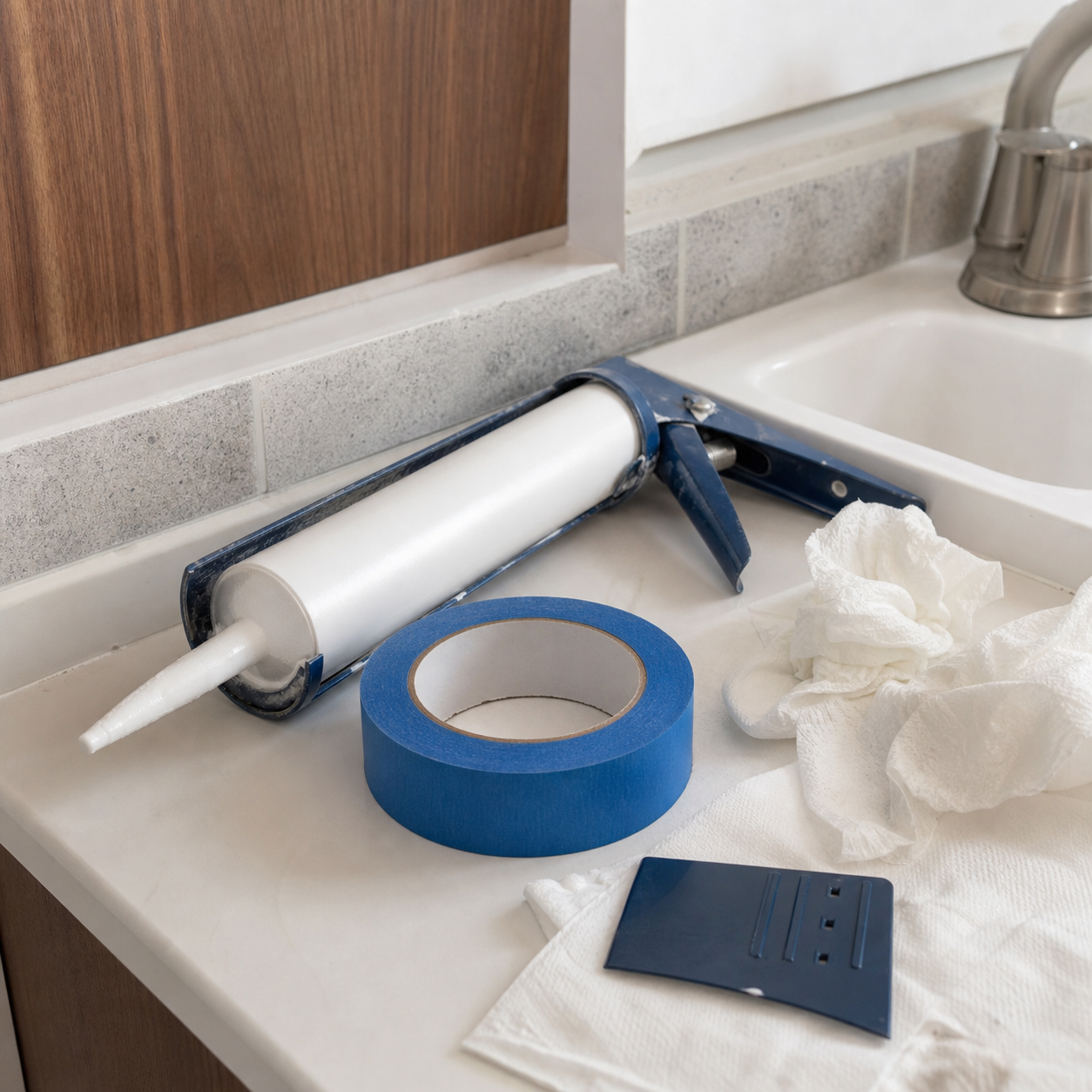
Newborn 250 Smooth-Rod Revolving Frame Caulking Gun, model 250
A good research-backed manual option for a homeowner who has already identified a small, appropriate caulking task and needs a standard 10-ounce cartridge tool. In hands-on testing, Bob Vila selected it as the overall pick, citing its comfortable grip and unusually smooth rotating frame. Newborn documents the exact 10-ounce capacity, manual smooth-rod drive, 18:1 thrust ratio, and revolving frame.
Know before buying: This is a two-pound, higher-thrust manual tool—not a no-effort or no-drip solution. Bob Vila observed some material drip and notes that only one handle has a rubber coating. It does not choose the correct sealant, make a damaged surface sound, or turn water intrusion, mold, electrical work, gas work, or an inaccessible-height task into a beginner repair.
Level & Latch has not physically tested this product. This is a limited, non-affiliate recommendation based on independent hands-on testing, manufacturer documentation, and a current CPSC recall-database review. There are no affiliate links in this guide.
Choose compatibility first
Check the cartridge size and the manufacturer's directions for the sealant before choosing a gun. A beginner-friendly tool should be easy to load, release, clean, and store without exposing others to a protruding puncture tool or uncapped cartridge.
Practice on disposable material if the product directions allow it. A steady, controlled bead matters more than squeezing hard or moving quickly.
Know when caulk is not the answer
Caulk is a surface sealant for suitable gaps and joints. It does not correct loose fixtures, structural movement, damaged substrate, an active plumbing leak, or mold. If the area is damp, stained, soft, repeatedly cracking, or connected to a water source you do not understand, investigate with qualified help rather than covering it.
Ventilation, skin protection, curing time, and cleanup requirements depend on the exact product. Follow its label and safety data information.
Product recommendations require verification
A useful recommendation names an exact model, compatible cartridge size, manufacturer documentation, independently reported test evidence, meaningful drawback, and the limits of a beginner repair. A product listing or retailer commission does not count as testing evidence.
When to call a professional
Stop and contact a qualified professional if the work involves electrical wiring, gas, structural damage, major plumbing changes, mold, lead, asbestos, or another hazardous material.
Related guides
Sources
Affiliate disclosure
No affiliate links appear in this guide. If a reviewed recommendation is added, the disclosure will appear beside it.