
Start with the exact location, surface materials, moisture exposure, movement, and manufacturer directions. Do not select caulk by color or assume one cartridge works for bathrooms, kitchens, windows, and exterior gaps alike.
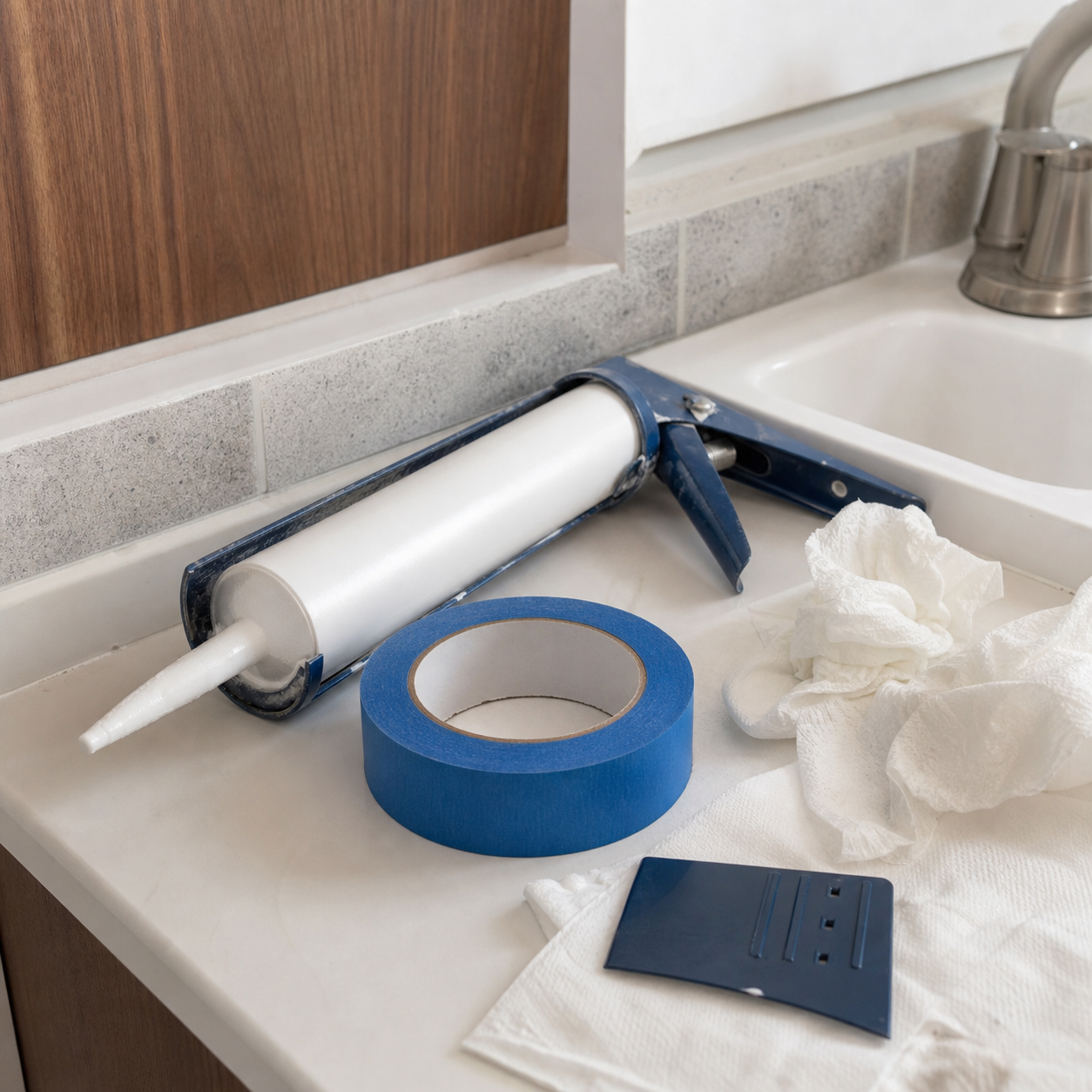
Start with the joint
Write down what two materials meet, whether the area gets wet, whether it moves with temperature or use, and whether the product is indoors or exposed to weather. Those facts are more useful than a generic 'best caulk' search.
Read the sealant label for compatible substrates, intended location, cure conditions, paintability, and cleanup. If a surface is not listed, do not assume compatibility.
Prepare safely
Clean, dry, sound surfaces are generally important for adhesion, but preparation should never involve disturbing suspect lead paint, asbestos-containing material, extensive mold, or damaged building material without appropriate guidance. Follow ventilation and personal-protection instructions for the exact product.
A failing joint can be evidence of water intrusion, movement, or installation issues. Repeated cracking, staining, softness, or mold needs more than a new bead of sealant.
Avoid category shortcuts
A bathroom, kitchen, window, or exterior label does not replace the exact product instructions. We will publish product-specific options only after their use cases and limitations are verified for the stated surfaces.
When to call a professional
Stop and contact a qualified professional if the work involves electrical wiring, gas, structural damage, major plumbing changes, mold, lead, asbestos, or another hazardous material.
Related guides
Sources
Affiliate disclosure
No affiliate links appear in this guide. If a reviewed recommendation is added, the disclosure will appear beside it.