
Resolve the water exposure and the actual item’s care needs before choosing treatment for leak-wet clothes or family fabrics. Give the appropriate contents provider or garment cleaner the known source, discovery time and existing care information; flag uncertainty, mold or possible contamination. Old, irreplaceable or dye-bleeding pieces may need a textile conservator. Keep urgent source repair and unsafe access first. A routine care label, dry-looking fabric or repaired pipe does not establish that every affected item is ready to wear or use.
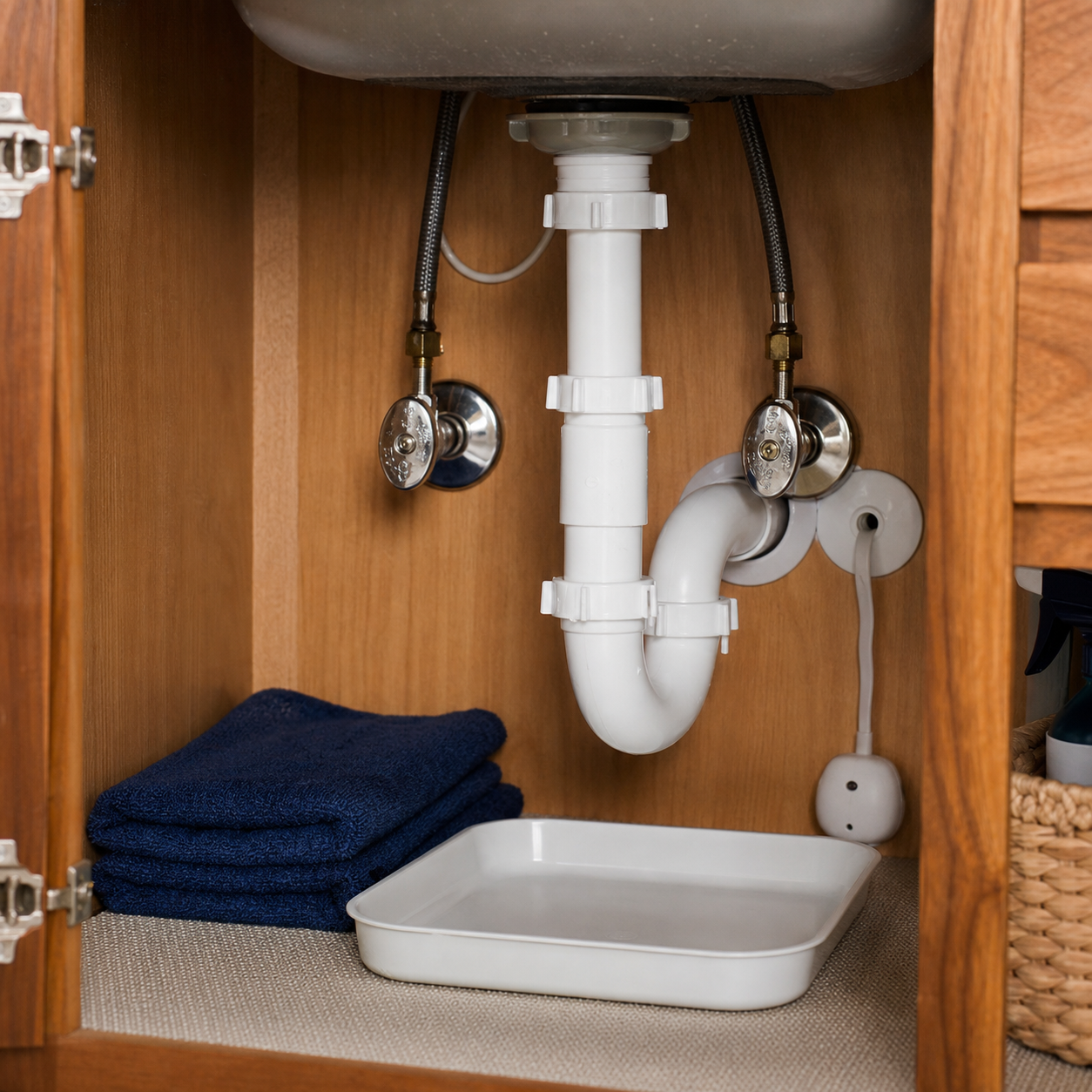

Keep the leak and unsafe room first
Arrange the appropriate ceiling, appliance or plumbing response before trying to rescue clothes. Leave an immediately dangerous area and call 911 from safety. Do not enter standing water, reach past wet electrical equipment or stand beneath a damaged ceiling for a basket, care label or family quilt. Tell the responsible provider where the affected items are.
This guide concerns the later item-specific recovery conversation. It does not authorize reentry, sorting suspect contaminated laundry or operating drying equipment. Use already available observations and records; a missing photograph is not a reason to approach an unsafe area. Ordinary routine laundry in known safe conditions remains a different situation.
Keep exposure and ordinary care as separate questions
Report the confirmed source separately from a guess: an identified supply leak, rain-associated water, wastewater or unknown. Keep the first discovery time separate from when wetting actually began. Describe only what was already noticed, including any visible damage or color transfer, without taking items apart or testing them.
EPA recommends experienced professional help for sewage or other contaminated-water damage, and specialist advice when an item is valuable or its cleaning is uncertain. A care label describes the product’s care information; it does not identify what reached it during a building leak. Have the exposure question resolved alongside the garment or conservation question.
Choose help for the item and the unresolved problem
Use the table as an original conversation aid. Several contacts may be needed for the same incident. It does not classify water, certify a textile, require every item to receive the same service or promise salvage.
| Item or concern | Useful next question |
|---|---|
| Ordinary garment with care information | Can the actual cleaner assess this exposure and follow the complete item instructions? What information is missing? |
| Wedding garment, quilt or irreplaceable fabric | Is a textile conservator needed before treatment, and who can arrange prompt advice? |
| Color transfer or fragile material already noticed | Who assesses the dyes, condition and supported treatment without a household test? |
| Lining, trim or mixed construction | Which parts and care limits were identified, and does the recommendation address the whole item? |
| Unknown exposure, mold or suspected contamination | Which experienced recovery provider resolves that concern before ordinary cleaning or transport? |
| Washer or dryer also affected | Who separately establishes equipment and water-use instructions? Do not start a load as a test. |
| Mattress, upholstery or installed carpet | Use the relevant material owner; a garment-care decision does not assess padding, framing or the floor beneath it. |
A garment record is different from an upholstery code
Give the provider the existing item description, full care wording and any known fiber or construction information. Keep an unclear or missing label marked unknown. Do not borrow a sofa’s W/S cleaning code, a different garment’s instructions or a generic fiber chart to choose a treatment.
FAIC’s textile-and-clothing recovery tip sheet describes how fiber, layers and additional materials can change the recovery problem. It also discusses color transfer and distortion. Those distinctions support an item-specific assessment; they do not supply one washing method for a lined coat, embroidered dress and cotton shirt. No single fiber description answers every construction or exposure question.
Explain why a family textile needs special attention
The National Park Service distinguishes everyday clothing from heirloom textiles such as quilts and wedding garments. Its preservation brief discusses mixed materials, fragility, distortion and bleeding dyes, and recommends preservation-professional treatment for bleeding dyes. Tell the provider about an item’s importance and any already-known damage when seeking advice.
An important piece does not have to be financially valuable to justify a conservation question. State what you hope to preserve and ask what can realistically be assessed, what remains uncertain and which appearance or use limits may remain. This guide does not transfer the brief’s swab tests, rinsing, lifting or drying demonstrations into household instructions.
Arrange acceptance before transporting affected laundry
Tell the actual cleaner about the water event before treating it as an ordinary drop-off. Ask whether the service handles that exposure and item, what safe collection or transport arrangements apply and who addresses unresolved contamination. A booking for routine dry cleaning is not a documented disaster-recovery assessment.
UGA Extension’s flood-laundry guidance places conditions on using public laundry machines, including mildew-free, uncontaminated items, and calls for professional inspection of water-damaged appliances before reconnection. Keep those limits in view rather than taking uncertain laundry directly to a shared machine or using the home washer to prove it works. This guide adopts no bleach mixture, wash temperature, cleaning cycle or disinfection claim from that guidance.
If clothes needed now are unavailable, keep that immediate need separate from salvage. Use the first-night planning guide to confirm actual essentials or assistance without returning to unsafe property. No cleaner availability, relief supply, reimbursement or successful recovery is promised here.
Example: a clothing basket and a family quilt after a leak
Fictional example: water reaches a basket of clothes and a family quilt before a ceiling leak is controlled. From safety, the household reports the items’ locations and uses existing records to identify a coat and the quilt. Its note says “source repaired; item exposure and treatment decisions pending,” rather than “laundry solved.”
The household describes the coat’s existing care information to a garment cleaner and asks whether that service can assess the actual exposure. It separately seeks textile-conservation advice for the quilt and reports color transfer already noticed. It does not perform a dye test, shake the items, choose a bleach method or start the water-exposed washer.
Each contact is asked what was assessed, what treatment or other recommendation is supported and who handles safe collection. The household retains an unaffected clothing arrangement while those questions are open. This invented example does not establish contamination status, predict salvage or clear an item to wear.
Copy a private textile-recovery record
Use one item or clearly identified group per note. Link existing private inventory references instead of posting household photographs publicly. Make urgent calls first; the free homeowner checklist can hold an open task and responsible contact without requiring the whole record.
- Item or group reference, location and first discovery: ___.
- Confirmed source, source-work status and unknown exposure: ___.
- Care wording and existing manufacturer or purchase record: ___.
- Known fibers, lining, trim or mixed construction; unknown details: ___.
- Damage or color transfer already noticed, without a new test: ___.
- Family significance or particular conservation concern: ___.
- Actual cleaner, recovery provider or textile-conservation contact: ___.
- Accepted assessment scope, collection arrangements and remaining uncertainty: ___.
- Recommendation, its basis and work actually completed for this item: ___.
- Applicable use instructions, separate room/equipment task and next contact: ___.
Close each item decision separately
Retain the actual assessment, agreed treatment or other recommendation, completed work and any remaining limits. A dry surface, a cleaner’s receipt or the return of one item does not answer every item in the group. Ask the responsible provider to clarify an unresolved use or treatment question before calling that task finished.
Keep the textile decision beside, rather than in place of, the room, source and equipment records. The furniture guide owns upholstery and bed components; the washer guide owns its leak and return-to-use questions. If disposal or an insurance question arises, obtain the applicable provider, local collection and actual insurer instructions separately. This article sets no universal discard rule, drying deadline or health-clearance test.
When to call a professional
Use emergency services for immediate danger; keep people away from unsafe water, ceilings and electricity while the appropriate plumbing, roofing or building response proceeds. For sewage or other suspected contaminated-water damage, seek experienced professional help. If hiring for mold cleanup, confirm relevant experience. Ask a textile conservator about fragile or important pieces and the actual garment cleaner about a supported treatment and acceptance. Obtain separate qualified instructions before using a water-exposed washer or dryer. This guide supplies no chemical, disinfection, handling or appliance-restart procedure.
Related guides
Sources
- AIC Water Resources: current FAIC/National Heritage Responders textile-recovery resource selector
- FAIC/National Heritage Responders: Textile & Clothing Water Recovery Tip Sheet — four-page current linked PDF; material and planning scope, no printed revision date
- National Park Service: Saving Wet Textiles After a Flood — current gateway, updated September 29, 2022
- NPS: Preservation in Practice — Saving Wet Textiles After a Flood, November 2020 PDF; bounded heirloom/material discussion
- EPA: Mold Cleanup in Your Home — experienced contaminated-water help and specialist advice; updated June 4, 2026
- UGA Extension: How to Clean Clothes After a Hurricane or Flood, Bulletin 1585-02, August 12, 2025 — bounded appliance/public-laundry conditions
Free next step
Download the free seasonal maintenance checklist to record observations and follow-up tasks. See the seasonal maintenance routine for more context.
Affiliate disclosure
No affiliate links appear in this guide. If a reviewed recommendation is added, the disclosure will appear beside it.