
Prioritize locations near water heaters, washing machines, dishwashers, refrigerators with water lines, toilets, and under-sink plumbing—then confirm the product’s placement instructions and alert range.
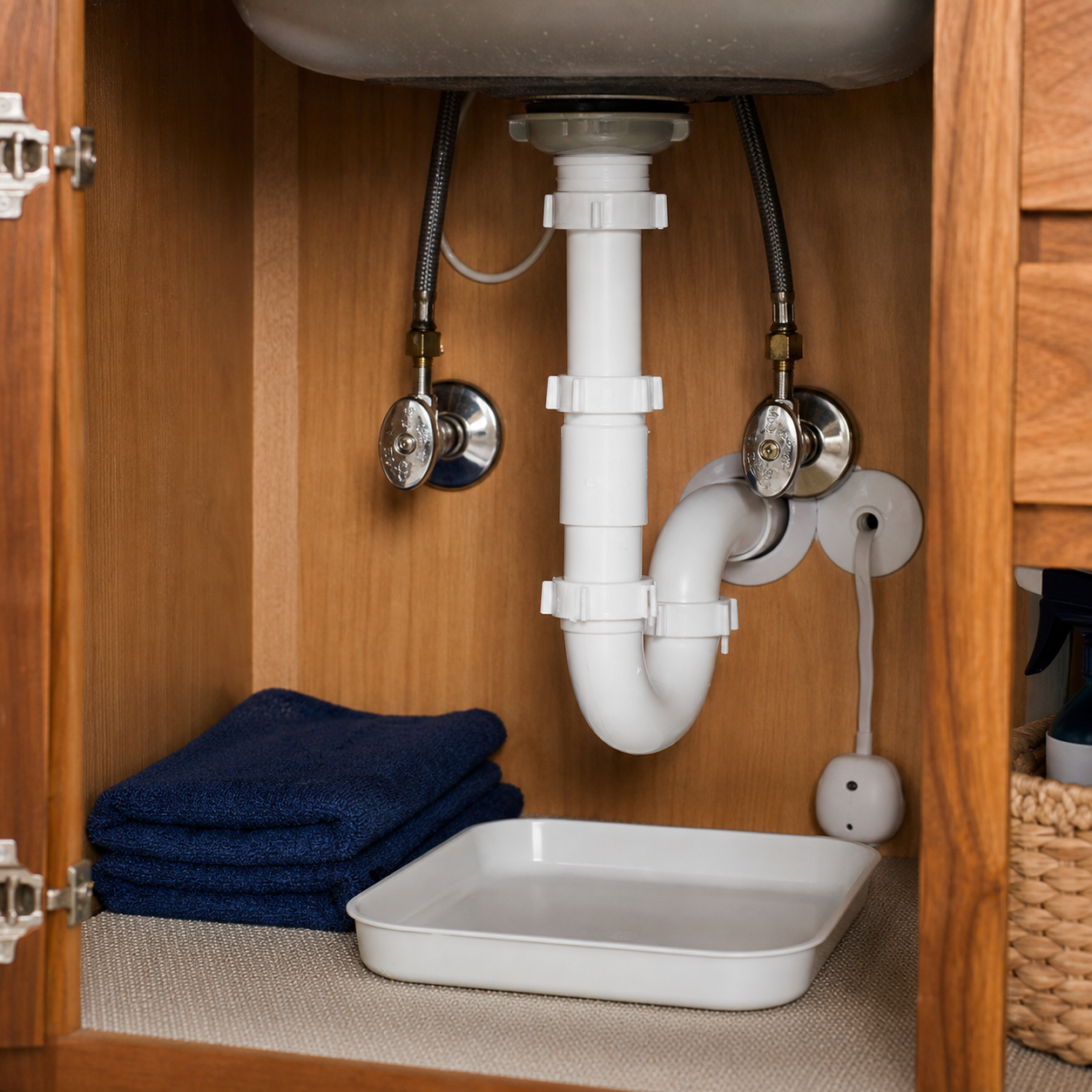
Start with the highest-consequence locations
A simple moisture sensor is most useful where water can collect out of sight. EPA WaterSense describes moisture-detection devices as tools that alert homeowners to unexpected dampness, while flow monitors look for unusual water-use patterns. They solve different problems and should not be treated as interchangeable.
Walk the home slowly and identify appliances, supply connections, or fixtures that can leak without immediately showing water in a lived-in room.
A practical placement order
Begin with the water heater and clothes washer. Next consider the dishwasher, refrigerator water connection, toilets, and cabinet floors under kitchen or bathroom sinks. A device belongs where its sensor can contact water if that specific location leaks; do not place it where cleaning, condensation, or normal splashing will create constant nuisance alerts.
For every detector, decide who receives the alert, whether the home Wi-Fi setup is reliable, what happens during a power or internet interruption, and whether anyone can safely investigate. Follow the manufacturer’s instructions for positioning, battery replacement, testing, and limitations.
- Keep the sensor accessible for its required test or battery change.
- Do not block a drain, appliance vent, or service access with a sensor or cable.
- Check installed detection or monitoring devices at least yearly and after a known alert or plumbing change.
What a detector cannot promise
A spot sensor may not detect a leak that travels in a wall, drains elsewhere, happens above the sensor, or never reaches its contacts. A flow monitor may flag unusual water use without identifying the exact source. Neither replaces regular visual checks, a known water-shutoff location, or professional diagnosis when the source is uncertain.
When to call a professional
Stop and contact a qualified plumber or other appropriate professional if water is actively spreading, you cannot safely find the shutoff, the leak involves a wall or ceiling, or a repair would require changing plumbing.
Related guides
Sources
Affiliate disclosure
No affiliate links appear in this guide. If a reviewed recommendation is added, the disclosure will appear beside it.