
Keep at least one simple, reliable flashlight or battery-powered lantern in a known location, with a tested power source and a plan for every household member. Choose work lighting only when it suits the task and can be positioned without creating heat, trip, or electrical hazards.
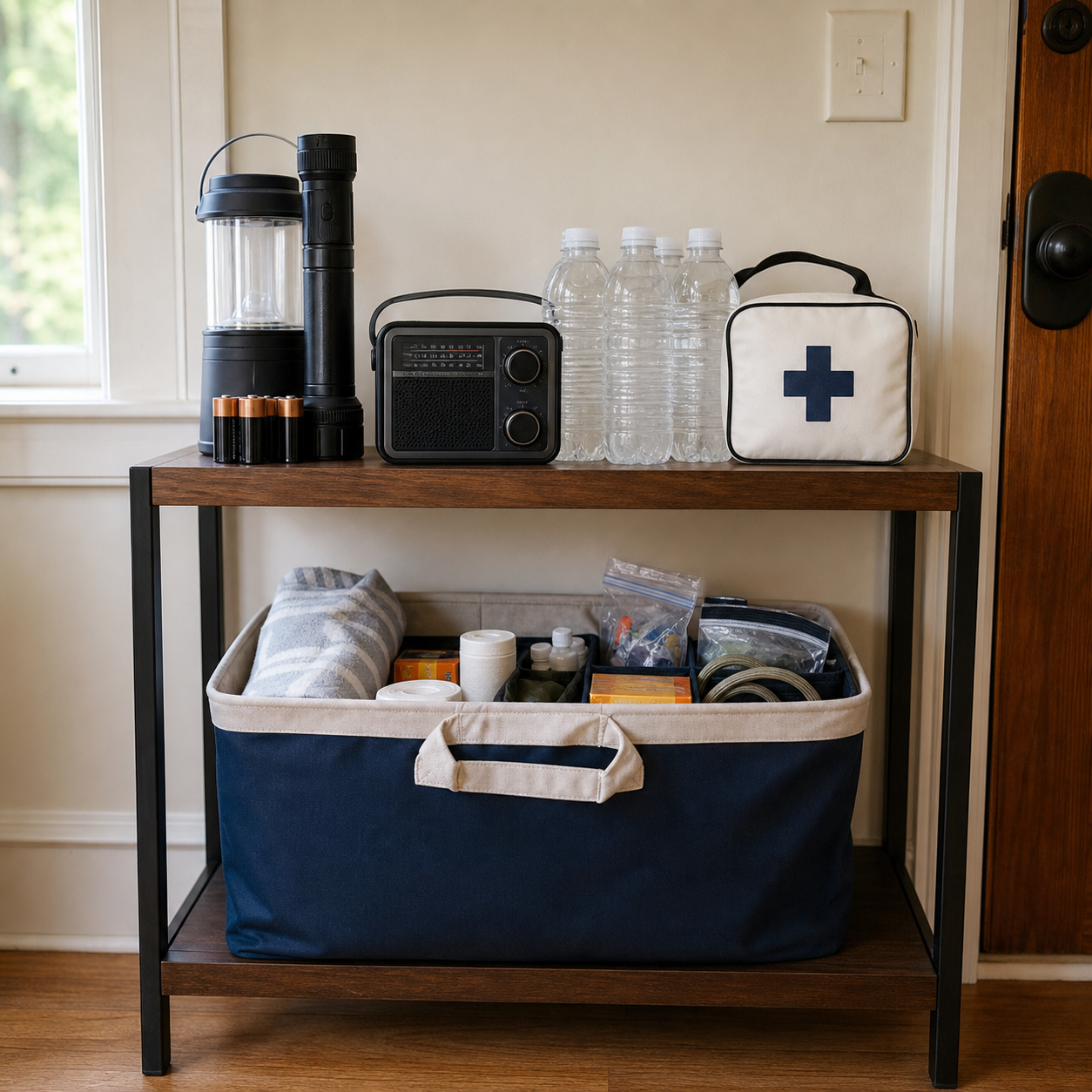
Start with readiness
Ready.gov includes a flashlight and a battery-powered or hand-crank radio in its basic emergency-kit guidance. The important part is not owning the most complicated light; it is knowing where it is, keeping the power source ready, and practicing how it is used.
Store lights where people can find them in the dark. Test them on a schedule and follow the manufacturer's instructions for batteries, charging, and long-term storage.
Use task lights carefully
For a normal home task, a work light should illuminate the area without blinding the user, creating a trip hazard with its cord, or resting against combustible materials. Use only as directed and keep it away from water and wet locations unless the manufacturer specifically rates it for that use.
During an outage, do not use fuel-burning devices, ovens, grills, or other unsafe substitutes for lighting or heat indoors. Follow local emergency guidance.
What we will verify before naming products
Before recommending a model, we will check its exact power system, manufacturer instructions, applicable use limitations, safety notices, recall status, and meaningful drawbacks. No product is named in this first version of the guide.
When to call a professional
Call emergency services for an immediate danger. For electrical, gas, structural, medical, or hazardous-material concerns, do not rely on a consumer product or a beginner repair attempt—contact qualified help.
Related guides
Sources
Affiliate disclosure
No affiliate links appear in this guide. If a reviewed recommendation is added, the disclosure will appear beside it.