
Follow local emergency guidance first. From a safe location, document visible conditions and keep clear of downed lines, floodwater, damaged electrical systems, roofs, unstable structures, and suspected gas leaks.
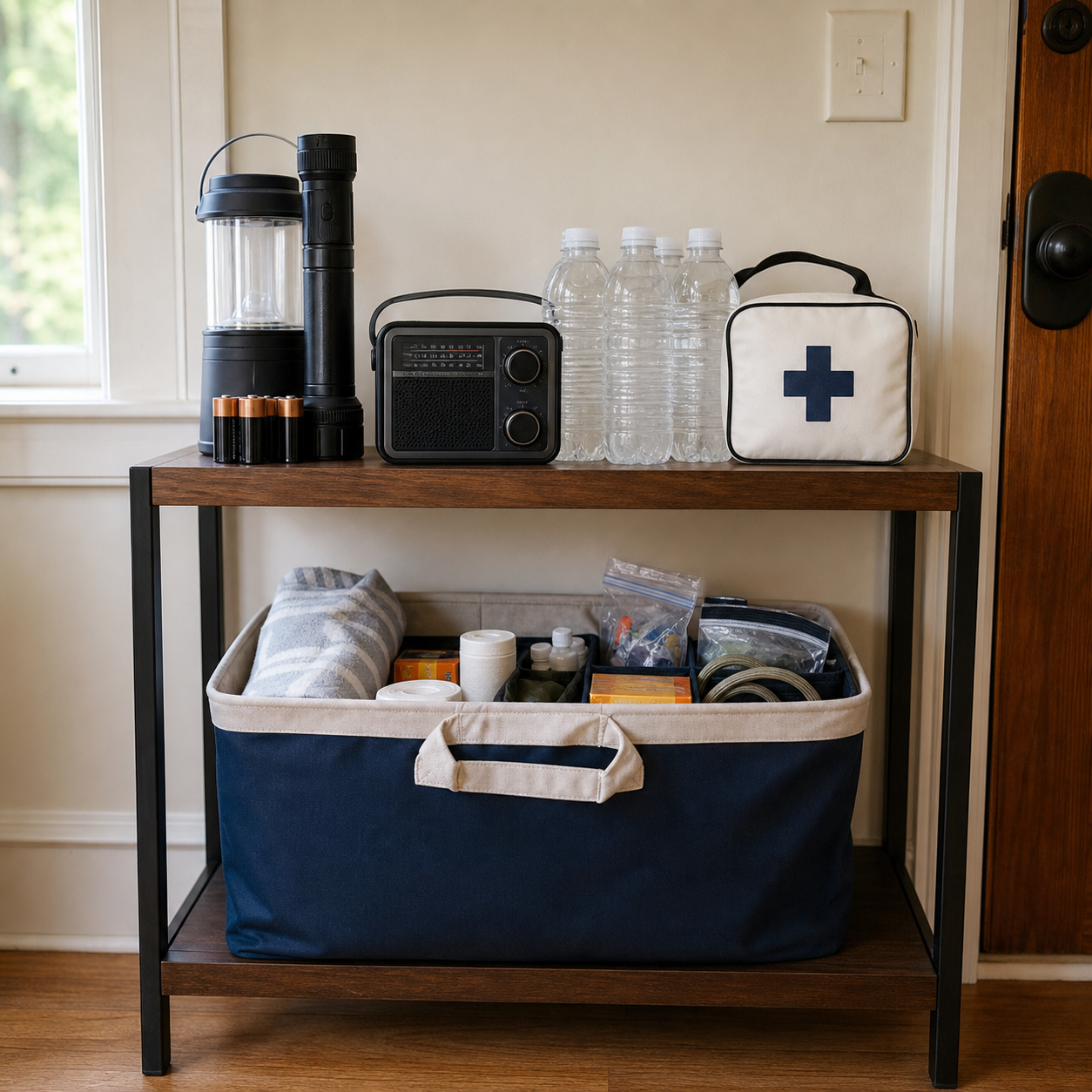
Start with people and official information
Check official emergency alerts, evacuation directions, and utility notices before leaving or re-entering an area. Ready.gov says winter storms and other severe events can disrupt heat, power, and communication; a homeowner checklist never overrides emergency direction.
Document from a safe location
If it is safe, take photos of visible water, broken windows, displaced items, or exterior conditions from the ground. Keep notes of the time and changes you see. Do not enter floodwater, climb on a roof, approach downed lines, or investigate damaged electrical equipment or suspected gas leaks.
Get the right help
Contact emergency services for immediate danger and the appropriate utility or qualified professional for hazards or damage you cannot safely identify. Use insurance and local guidance for documentation and next steps rather than starting cleanup around unknown electrical, structural, or contamination risks.
When to call a professional
Call emergency services for an immediate danger. For electrical, gas, structural, medical, or hazardous-material concerns, do not rely on a consumer product or a beginner repair attempt—contact qualified help.
Related guides
Sources
Affiliate disclosure
No affiliate links appear in this guide. If a reviewed recommendation is added, the disclosure will appear beside it.