
Keep a water-exposed furnace out of use; do not start heat, reset it or try fan-only mode to see whether it works. For suspected gas, leave without operating switches and call 911 and the serving gas supplier from safety; for a CO alarm, get everyone outside and call 911. Keep away from wet electricity and unsafe water or building damage. Request prompt qualified HVAC or building help, plus electrical help for unsafe or uncertain isolation. Report the exposure and existing equipment identity, even if the water has receded. Ask what was assessed, which manufacturer requirements apply and who provides the specific return-to-use instructions. A repaired pipe, dry case or lit thermostat is not that assessment.
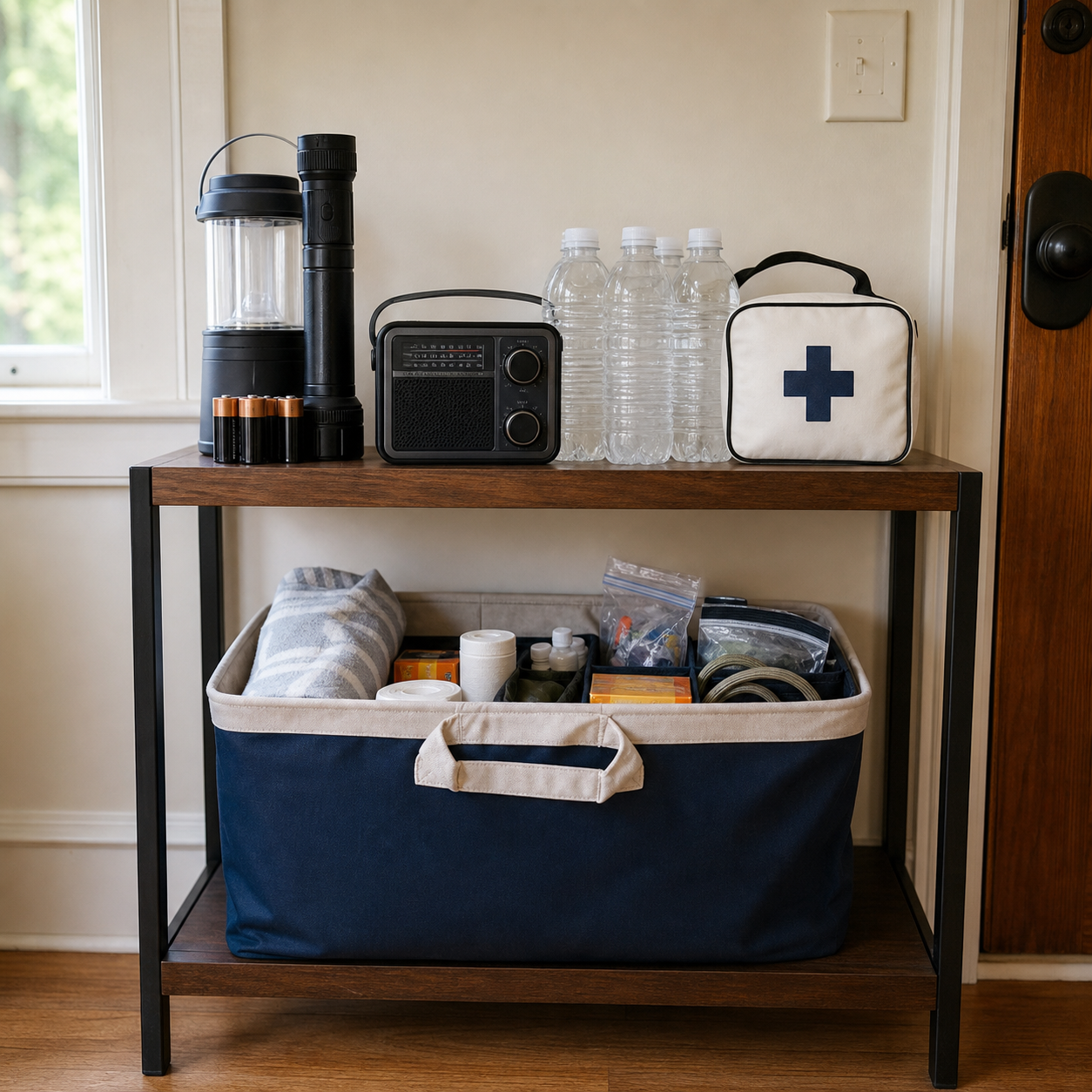

Put emergency response and safe stopping ahead of an inspection
For suspected gas, leave immediately and call 911 and your serving gas supplier from a safe location. Do not operate switches, relight an appliance or remain to retrieve a model number. Atmos Energy’s leave-first guidance is a local utility example; use your own serving supplier. For a CO alarm, get everyone outside, call 911 and follow responders’ return instructions.
Keep clear of wet fittings, cords, outlets, panels, standing water, unstable overhead material and damaged equipment. Follow evacuation or reentry restrictions. Do not enter a flooded basement, attic or crawlspace to reach a furnace or its controls. Request urgent qualified help when safe stopping or isolation is uncertain.
If the equipment is operating, use only already-established safe stopping instructions for the actual system when there is no emergency and access and controls are safe. Otherwise keep away and request urgent help. A normal thermostat action does not isolate the equipment for work. Do not open the cabinet, operate an unfamiliar fuel valve or reset a protective device to investigate.
Report furnace exposure separately from the water source
Tell the HVAC provider or building emergency contact that water reached, may have reached or was found near the furnace. State the difference honestly. Give the first discovery, known source, whether water continues and any loss of heat already noticed. Use an existing invoice or manual to identify the furnace and installation; leave missing details unknown.
A utility-room puddle may come from condensate, a humidifier, nearby plumbing or another source. The condensate and humidifier guides cover those source questions. Water that reached the furnace creates an equipment-use question as well, even after another trade repairs a pipe or the floor is dried.
Do not remove a panel to discover the highest wet part, inspect burner flames or run a heating/cooling cycle to reproduce the event. Report the observations already available. Lack of a visible water line does not fill in an unknown exposure history.
A routine startup sequence is not a water-damage recovery plan
Trane’s currently linked Gas Heating Systems owner information, Doc. 32-5083-1C-EN, ©2024, warns against using the unit after any part has been underwater and assigns inspection and wet-part or unit replacement to qualified service. Its gas warnings also caution against relying on smell alone. Those warnings are a bounded document example, not identification or clearance of the reader’s furnace.
That document also contains ordinary startup, shutdown and troubleshooting steps. Do not borrow those sequences, its valve drawings or another model’s reset instructions to return a water-exposed furnace to use. The actual equipment, exposure and responsible qualified provider must determine the applicable requirements.
AHRI’s flood guidance describes hidden damage to gas controls and recommends qualified evaluation and replacement for flood-damaged heating equipment. CPSC likewise calls for professional or utility evaluation and replacement of underwater controls before appliance use. Do not reduce those warnings to “let it dry and try again,” or infer that every nearby splash has the same repair outcome.
Ask about the furnace and its connected systems
Ask for the findings and proposed work for the actual furnace, with unassessed areas explicit. A general electrical visit and a gas/HVAC equipment decision may have different boundaries. Ask the providers who coordinates any serving-utility, local inspection or manufacturer requirement.
AHRI discusses ducts and combustion venting as well as the furnace itself. Ask which connected areas were considered and who handles contamination or damage there. This is a scope question for qualified help, not a request to open a duct, clean a vent, inspect a gas control or decide on a part yourself.
Use this original table to keep the handoffs clear. Record the recommendation and its basis before treating equipment as ready for use.
| Decision to clarify | Question for the responsible provider |
|---|---|
| Actual equipment and exposure | Which furnace and connected equipment were identified, what exposure is established and what remains unknown? |
| Fuel, controls and electricity | Who assessed the relevant fuel/control equipment and electrical supply, and what work or restrictions follow? |
| Air path and combustion venting | Which duct, insulation, intake or vent areas were considered, and who resolves any damage or contamination? |
| Replacement or other proposed work | Which actual manufacturer requirements and findings support the recommendation, and what remains excluded? |
| Return to use | Who performs the required checks and supplies specific use/restoration instructions, including any affected shared fan or cooling function? |
| Household and remaining work | What is the safe plan while heat is unavailable, and who completes the separate source, room-material and follow-up tasks? |
Plan for lost heat without using the furnace as a workaround
Tell the HVAC or building contact promptly if the household cannot remain safely without heat. Ask about the expected service response and an appropriate temporary household plan. If conditions are unsafe, follow emergency guidance and use a safer location. Do not wait for the paperwork to be complete before explaining an urgent need.
Do not select fan-only or cooling mode as a trial or a way to dry the room while affected equipment is unresolved. Ask the provider which functions share affected components and must remain out of use. EPA says not to run HVAC known or suspected to be mold-contaminated.
Keep the winter-outage guide available for the separate household plan. Do not use an oven, grill or improvised fuel-burning device for indoor heat, and do not bypass an interlock or supply temporary power to make the furnace operate. An unavailable heating system does not remove gas, fire, CO or electrical boundaries.
Example: the pipe is fixed and the thermostat still lights up
Fictional example: a supply-pipe leak wets the utility room and is reported to have reached the furnace’s lower cabinet. The household keeps clear, requests source and equipment help and does not open the cabinet or start the heat. Its record says that the exposure start time and affected internal parts are unknown.
After the pipe repair, the floor appears dry and the thermostat display remains lit. Those observations are reported separately from the completed source work. The household asks HVAC and electrical providers which parts and connected systems were assessed, what manufacturer requirements apply and what remains restricted.
If replacement or further assessment is required, the household records that recommendation and arranges its separate heat plan. This invented example does not diagnose a failed control, promise a repair or establish that a particular furnace can be retained.
Keep a private equipment and completion record
Make urgent calls first. Retain existing equipment records and dated provider findings privately; no one needs to approach wet equipment for a photograph or label. Use the free homeowner checklist for the next contact and outstanding action.
Keep the water source, equipment-use decision and wet-material work separate. EPA calls for prompt water-problem correction and complete drying, with experienced help for contaminated-water damage. A towel-dry floor or completed plumbing invoice does not close the furnace or concealed-material task.
- Furnace/location and model/manual from existing records: ___.
- First discovery, confirmed or unknown source and continuing water: ___.
- Known furnace/connected-system exposure and uncertainty: ___.
- Gas/CO, electrical, structural or unsafe-access concern and urgent contacts: ___.
- Qualified HVAC/electrical/building contacts and current use restrictions: ___.
- Assessment findings, manufacturer basis and proposed versus completed work: ___.
- Specific return-to-use instructions, responsible provider and unresolved areas: ___.
- Household heat plan, separate source/material work and next update: ___.
When to call a professional
Leave for suspected gas or a CO alarm and call the appropriate emergency responders from safety. Unsafe water, electricity, structure or isolation needs urgent qualified help. Coordinate the actual furnace manufacturer/qualified HVAC provider, electrician, building contact and serving utility as needed; equipment use, connected air/vent systems, source repair and wet-material recovery need explicit responsibilities.
Related guides
Sources
- Trane U.S.: Owner’s Manuals — currently linked gas-heating-system document and actual product identification
- Trane: Gas Heating Systems — Owner’s Information, Doc. 32-5083-1C-EN, ©2024; water, gas and qualified-service warnings (PDF)
- AHRI: Floods and HVACR Equipment — qualified furnace, control, duct and vent assessment; flood-specific scope
- CPSC: July 11, 2023 flood-victim warning — wet appliances, underwater controls and alarm response
- Atmos Energy: Gas Emergency — immediate departure and emergency contact from a safe distance; local utility example
- EPA: Mold Cleanup in Your Home — HVAC contamination, source correction and experienced contaminated-water help
Free next step
Download the free seasonal maintenance checklist to record observations and follow-up tasks. See the seasonal maintenance routine for more context.
Affiliate disclosure
No affiliate links appear in this guide. If a reviewed recommendation is added, the disclosure will appear beside it.