
Before freezing temperatures, disconnect ordinary hoses and use the exact shutoff and draining procedure that applies to your home. Do not force valves, alter plumbing, or assume every outdoor faucet uses the same setup.
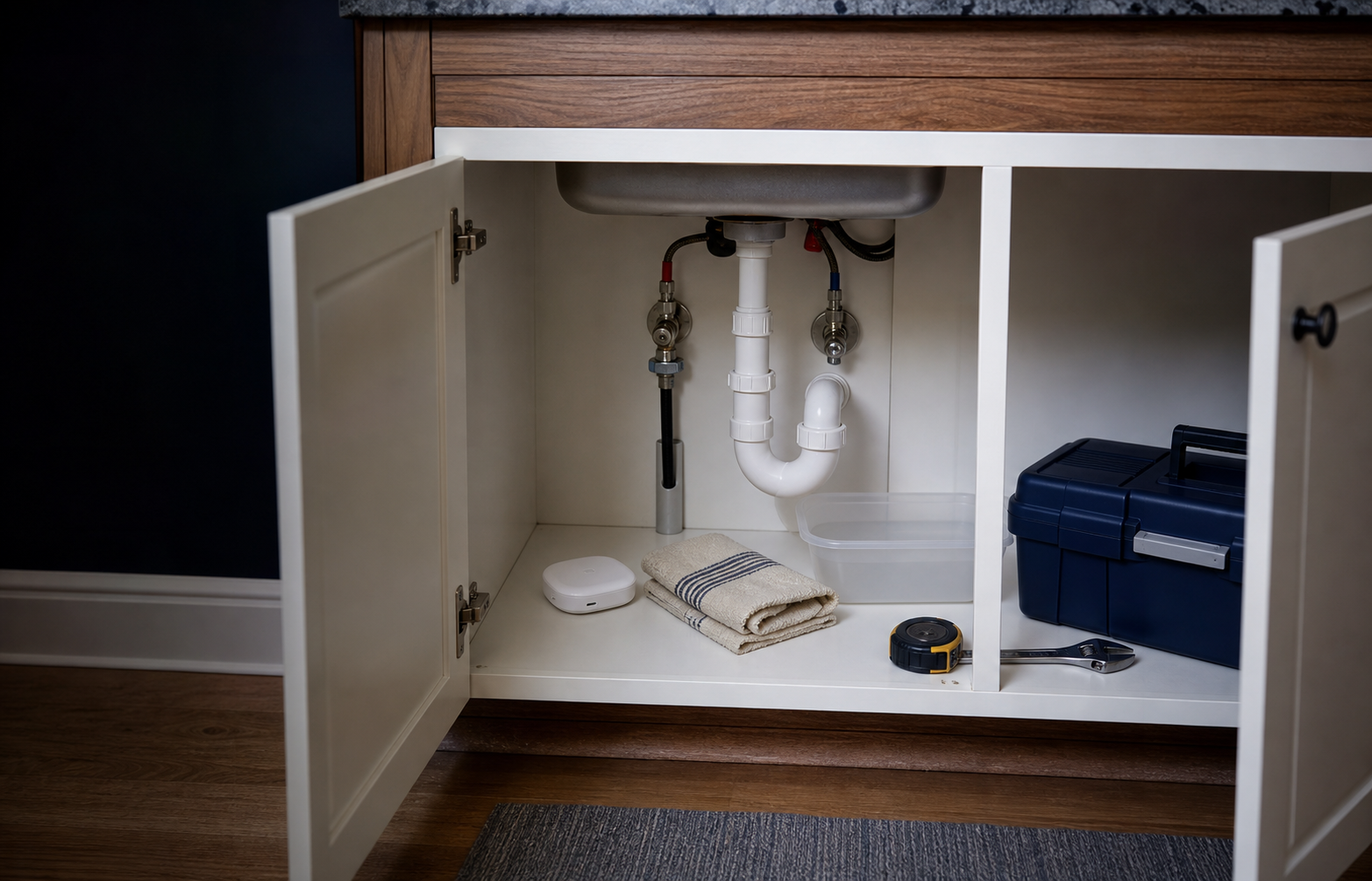
Identify the connection before acting
A home may have frost-free faucets, separate interior shutoffs, irrigation equipment, shared building systems, or no owner-maintained exterior water at all. Check with your HOA or building management when responsibility is uncertain.
Use specific cold-weather guidance
EPA advises shutting off and draining outdoor spigots before freezing temperatures arrive. Follow the documentation for your exact home or a plumber’s instructions; do not use force on a corroded or unfamiliar valve.
Know the professional boundary
Call a qualified plumber if a connection leaks, a valve cannot be safely identified or operated, plumbing is inside a wall or crawlspace, or the work requires alteration. Water near electrical equipment or a large uncontrolled leak is an immediate safety issue.
When to call a professional
Stop and contact a qualified professional if the work involves electrical wiring, gas, structural damage, roof access, major plumbing changes, mold, lead, asbestos, or another hazardous material.
Related guides
Sources
Affiliate disclosure
No affiliate links appear in this guide. If a reviewed recommendation is added, the disclosure will appear beside it.