
In summer, observe visible water and cooling changes, keep emergency supplies and local alerts ready, and use equipment-specific instructions for filters or maintenance. Do not service electrical, refrigerant, gas, or rooftop equipment yourself.
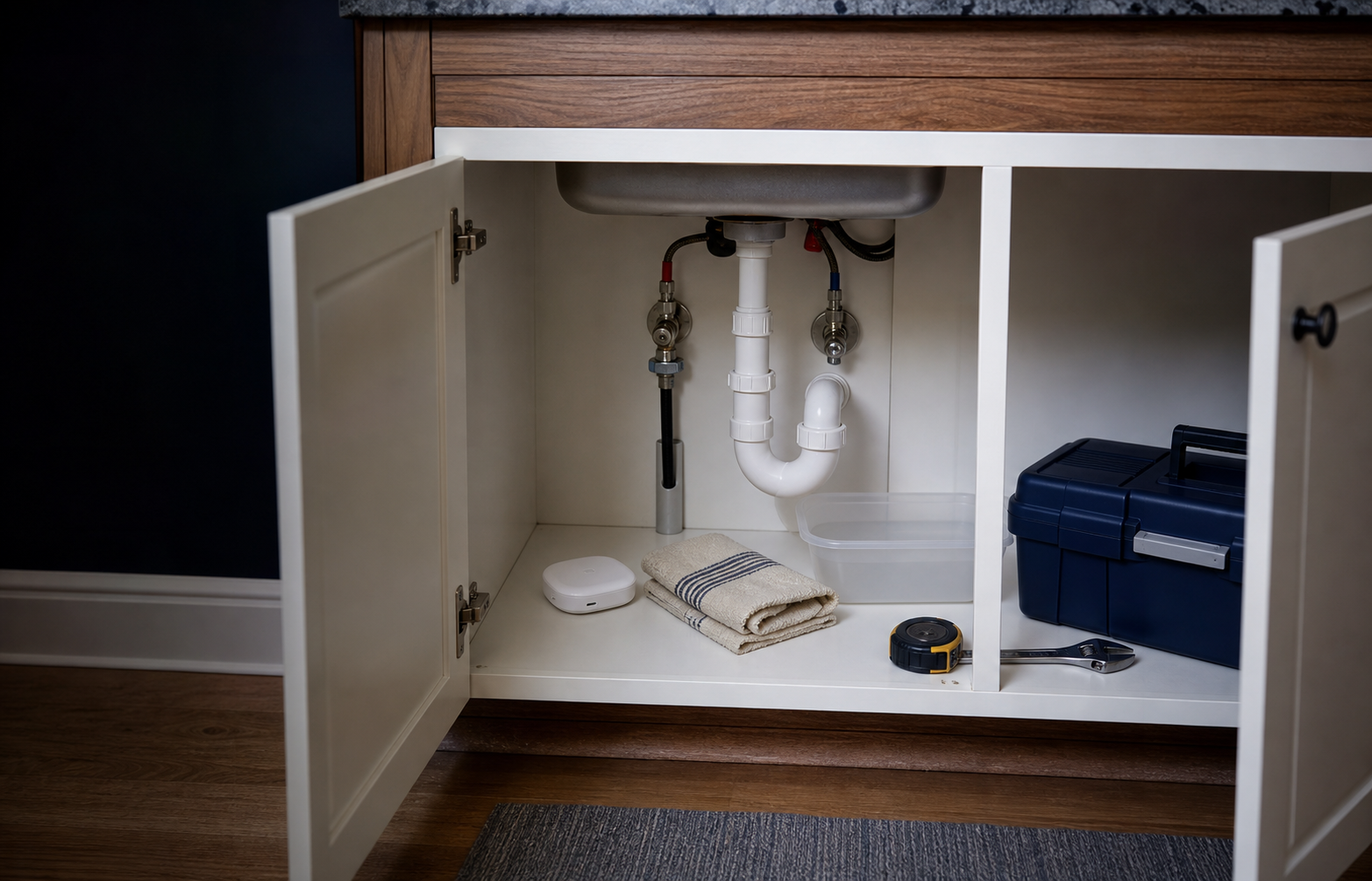
Walk through the home before a heat wave
Note unusual moisture, condensation, new odors, and changes around water-using appliances. Make sure emergency supplies, phone charging options, and important contacts are easy to reach. A simple observation record gives a professional better information when something changes.
Keep cooling maintenance in its lane
ENERGY STAR recommends inspecting, cleaning, or changing central HVAC filters as appropriate for the system and using qualified pre-season service for equipment maintenance. Follow your manual for user-serviceable tasks only; do not access refrigerant, wiring, motors, panels, or unfamiliar equipment areas.
Plan for heat and outages
Ready.gov recommends finding a local cooling option if air conditioning is not available, drinking fluids, and monitoring for heat-related illness. Follow local alerts and utility guidance during storms, extreme heat, or outages; do not rely on a home checklist when an emergency direction applies.
Skip tasks that do not apply
If this is owner-maintained, use the checklist. If cooling equipment, exterior systems, or common areas are handled by an HOA, landlord, or building manager, confirm the responsibility before acting. Climate and building design change what summer care looks like.
When to call a professional
Stop and contact a qualified professional if the work involves electrical wiring, gas, structural damage, roof access, major plumbing changes, mold, lead, asbestos, or another hazardous material.
Related guides
Sources
Affiliate disclosure
No affiliate links appear in this guide. If a reviewed recommendation is added, the disclosure will appear beside it.