
Stop using a shower that is leaking into the room, wall or ceiling below and arrange prompt source assessment. Use a qualified plumber for supply, valve or waste plumbing and a qualified tile/waterproofing professional for the shower assembly; the findings may require both. New grout, grout sealer or a fresh visible bead does not establish that the underlying waterproofing and its connections are sound. Ask for the identified source, actual assembly, proposed repair boundary, applicable instructions and verification plan in writing. Keep clear of wet electrical equipment, unstable material and contaminated water; do not run the shower or fill its base to reproduce the leak yourself.
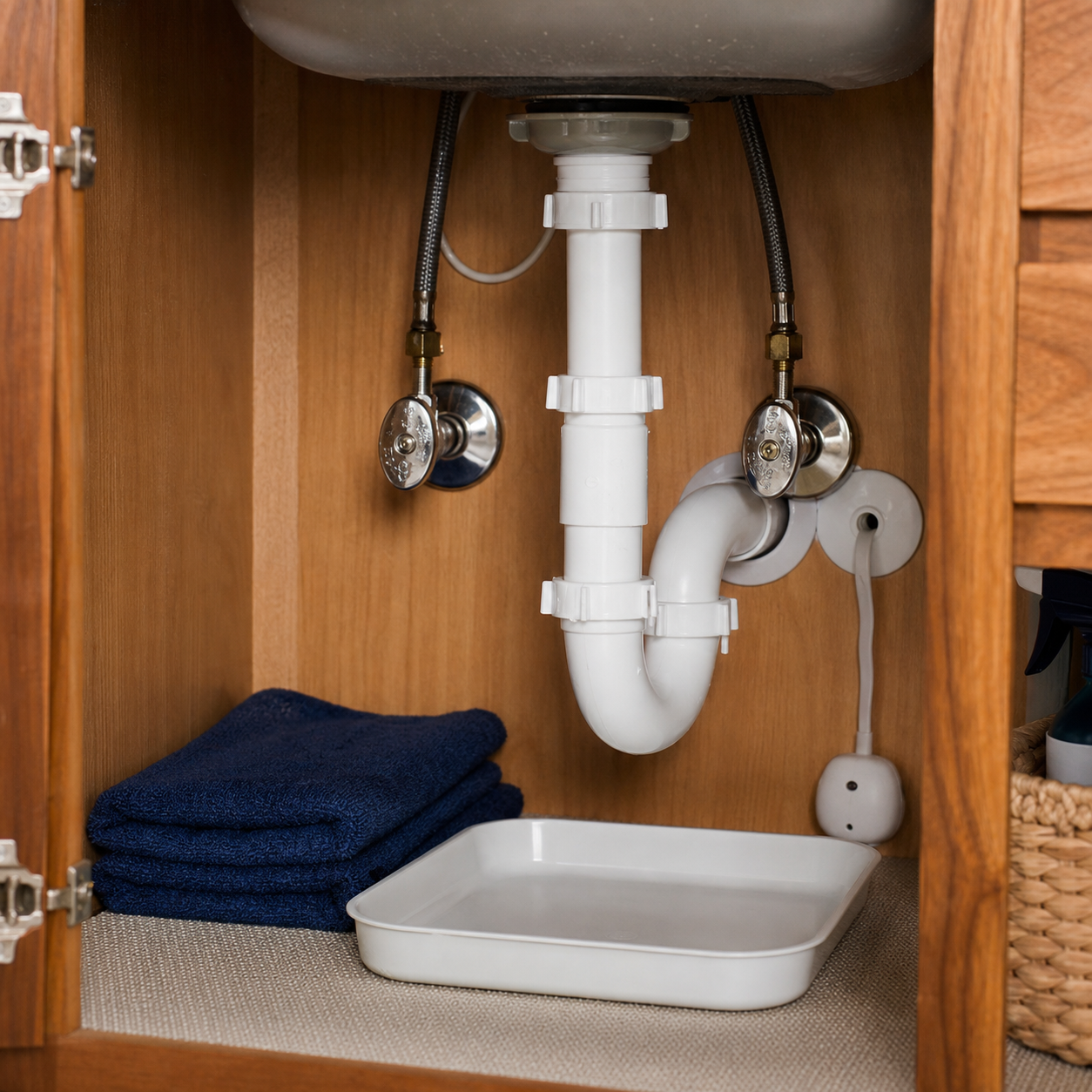

Stop the water exposure and arrange the right assessment
If water is escaping from the shower, stop its use with the ordinary controls only when access is dry and safe. If flow continues after stopping, use a known, safely accessible water shutoff or call an emergency plumber. Do not force an unfamiliar valve or disturb a shared building supply. Tell building management promptly when another unit or a common area may be affected.
Keep people away from wet lights, outlets and electrical equipment. CDC warns against operating power or electrical equipment while standing in water. Do not enter water to reach a breaker or pull a wet plug. A bulging ceiling, falling material or immediate electrical danger needs an urgent safety response, not a closer look at the grout.
Tell the provider where and when water was already observed, whether it continued after stopping and what areas below or beside the shower are affected. Use photographs only from safe, ordinary access. Do not repeat shower use, aim water at joints, plug the drain or fill the base for a demonstration.
A plumber can assess supply, mixing-valve and waste plumbing; a qualified tile/waterproofing professional can assess the enclosure assembly. Ask who will coordinate their findings if the source is uncertain. Water around a door has its own enclosure and drainage questions in the shower-door guide. Bathtub drain or overflow questions belong in the bathtub guide.
Separate the tile finish, joint treatment and waterproofing system
Schluter’s April 2026 Shower System Installation Handbook explains that ceramic and stone coverings are not inherently waterproof. Its page 2 diagrams distinguish a traditional shower with a pan liner and drainage path from its bonded waterproofing system beneath the tile. Those different assemblies are a reason to identify the actual installation before proposing a repair.
Pages 6–7 show the named bonded system as an assembly with backing, membrane, seams, corners, penetrations and a drain connection. These pages do not establish that an existing shower contains that system or that a replacement material can be joined to an unknown layer. This guide uses the diagrams to explain the questions, not to prescribe construction details.
CUSTOM Building Products describes grout sealers in terms of stain resistance and describes caulk for transitions or changes of plane where movement occurs. Those purposes are different from documenting the condition of a concealed waterproofing assembly. A product labeled for a shower is not, by that label alone, evidence that it will correct this shower’s source of water escape.
Ask what each proposed material is intended to do at this exact location. A sound assessment might identify a specific joint treatment as needed work; it might instead identify plumbing, drainage or concealed assembly damage. Cracked grout or a stained bead is an observation to report, not enough information to choose among those repairs.
Ask what each proposal establishes before approving the scope
Use the table to request a clearer explanation from the provider. It does not diagnose the shower, decide whether tile must be removed or establish that every proposal needs the same work. Keep unresolved findings and exclusions visible in the written scope.
| Proposed work | Question to resolve |
|---|---|
| Clean and seal grout | Is the purpose stain protection? What finding connects it to the observed water escape? |
| Replace grout or a visible bead | Which joint or defect was identified, and what concealed condition remains unassessed? |
| Repair supply, valve or waste plumbing | What source was found, and who will assess affected tile, backing or materials below? |
| Open a limited tile area | Who controls access and hazards, and what finding could expand or change the scope? |
| Join new waterproofing to old | What is the existing system, and which applicable detail supports that specific connection? |
| Retile and return to use | What source and assembly checks are complete, what remains excluded, and who gives use instructions? |
A limited repair needs evidence about the existing assembly
Ask for the system identity and the basis for it: installation records, product details or observations made by the qualified provider. Old photographs may help, but tile color, grout brand or a verbal recollection alone does not identify every concealed connection. Keep “not yet identified” in the record when that is the honest finding.
If a partial repair is proposed, ask how the provider will connect it to the retained assembly and what applicable manufacturer instructions support that connection. Ask what happens if opening the agreed area reveals damaged backing, an unidentified membrane or insufficient access for the proposed detail. Define the decision point and who authorizes a changed scope before new finish work covers it.
Schluter’s hole-repair FAQ addresses a puncture made while installing its named membrane, with specific conditions for the repair. It is not a general instruction for an unknown finished shower that is already leaking. The practical implication is to request evidence for the actual repair conditions, rather than copying an installation-stage patch detail.
Neither a full replacement nor a small patch follows automatically from this guide. The qualified findings, retained materials, compatible connection details and extent of affected material should explain the proposed boundary. Do not lift tiles, cut sealant at unknown connections or remove drain parts to gather that evidence yourself.
Agree on verification before the work is concealed
Ask the provider to state what will be inspected or verified, at which stage, by whom and what record will be supplied. Separate the plumbing source check, waterproofing assembly check and assessment of affected material. A check aimed at one part of the shower does not answer every other question.
Schluter’s handbook and water-test FAQ discuss checking a new waterproofing installation before tile is set. That construction-stage guidance is not permission to flood an occupied leaking shower. Ask the qualified provider what verification is appropriate for the actual repair, with the applicable system instructions and local requirements addressed by the responsible professional.
Before agreeing to finish work, ask what observations and photographs will be retained before concealment, which areas were outside the assessment and who supplies the return-to-use instructions. Keep the actual products’ curing and service conditions with that handover. Do not borrow a generic waiting period from another sealant or waterproofing system.
A stopped drip, dry-looking ceiling, new grout color or completed tile installation is not the full repair record. Ask separately whether the source was corrected, the agreed assembly work was verified and remaining damage or drying work has been assigned.
Keep wet-material and electrical follow-up on the repair plan
EPA’s cleanup guidance pairs correction of the water problem with thorough drying and calls for experienced help where contaminated water is involved. It also warns against painting or caulking moldy surfaces. A finish repair should not hide unresolved wet or damaged backing, a mold concern or a ceiling problem.
Ask who will assess affected material beside and below the shower, what requires removal or specialist evaluation and how completion will be documented. Do not assume the tile provider’s proposal includes drying, electrical assessment, a downstairs ceiling or structural work unless that scope is actually stated.
Use the ceiling-leak and wet-drywall guides for those separate follow-up questions. Keep the affected shower out of use while its source or safe return-to-use instructions remain unresolved. A bucket or towel can limit an accessible spill only when safe; neither repairs the assembly.
Example: a grout-sealing quote leaves the leak question open
Fictional example: a homeowner stops using a tiled shower after water appears on the ceiling below. One proposal offers grout cleaning and sealer, but gives no source finding or description of the concealed assembly. The homeowner asks what that work is expected to accomplish and what evidence connects it to the leak.
The provider clarifies that the proposal covers surface maintenance only. The homeowner arranges coordinated plumbing and shower-assembly assessment before choosing repair work. The revised discussion identifies what is known, what needs access, what could change the scope and what will be recorded before finish work resumes.
This invented example illustrates a scope gap. It does not establish that grout sealing caused a leak, that a specific shower needs replacement or that a particular repair will pass verification. The useful change is a written explanation of the actual problem and proposed work.
Keep a private shower repair and handover record
Use the free homeowner checklist to track the next action and contact. Keep photographs, proposals, product instructions and building records privately. The general repair-estimate guide adds questions about exclusions, access and responsibility; the caulk guide helps read the actual joint-product label after the repair need is established.
- Observed water location and time, safe stop action and whether flow continued: ___.
- Affected room/unit below, urgent hazards and building-management contact: ___.
- Plumber and tile/waterproofing provider; person coordinating findings: ___.
- Identified source, evidence and unresolved alternatives: ___.
- Existing assembly identity, supporting records and unknown concealed areas: ___.
- Proposed boundary, applicable connection details, exclusions and scope-change decision: ___.
- Verification stages, responsible provider and records before concealment: ___.
- Wet-material/electrical follow-up, return-to-use instructions and tasks still open: ___.
A steam-equipped shower adds a separate generator and discharge question
When a shower has steam equipment, tell the qualified providers which ordinary shower or steam functions were already in use and where water was noticed. Keep the affected shower unused. A wet ceiling or floor does not decide between the shower assembly, ordinary plumbing and steam-system paths; do not run either function or fill the base as a test.
The steam-generator leak guide adds questions about the actual generator, incoming water, hot outlet, installed drainage and automatic features. Coordinate the steam-system service provider, plumber and electrician as appropriate with the assembly assessment. Keep the confirmed source, repair boundary, specific equipment-use instructions and wet-material work separate rather than assuming regrouting or a generator replacement completes every task.
When to call a professional
Stop use and obtain prompt qualified plumbing and shower-assembly assessment. Leave the affected area and call 911 for immediate electrical or structural danger or injury. Keep clear of wet fittings, bulging ceilings, loose tile and contaminated water. Do not enter standing water to reach controls, remove tile, open a concealed cavity or conduct a flood test. Arrange qualified drying, electrical and building help where the findings require it.
Related guides
Sources
- Schluter: Shower System Installation Handbook, April 2026 — pages 2, 6–7; finish versus waterproofing and system-specific connections
- Schluter: KERDI product resources — current handbook and identified system
- CUSTOM Building Products: Frequently Asked Questions — grout sealer purpose and caulk at changes of plane
- Schluter: Repairing a hole in KERDI — limited installation-stage example, not a finished-shower repair prescription
- Schluter: Water-testing a shower — construction verification before tile, not a homeowner leak test
- CDC: Reentering Your Flooded Home — wet electrical equipment and standing-water boundaries
- EPA: Mold Cleanup in Your Home — correct the water problem, dry affected material and obtain contaminated-water help
- MrSteam: current Residential Guides & Specs — named R-series generator manual link
- MrSteam: PUR100597A, revision 6.26 — residential MS90R–MS400R and MSSUPER1R–3R; safety, plumbing/drain distinctions and homeowner information
- Delta Faucet: Steam Shower Systems — generator function and separate auto-drain/pan roles; not an installation prescription
- ESFI: Water-Damaged Electrical Equipment — qualified assessment before returning power
Free next step
Download the free seasonal maintenance checklist to record observations and follow-up tasks. See the seasonal maintenance routine for more context.
Affiliate disclosure
No affiliate links appear in this guide. If a reviewed recommendation is added, the disclosure will appear beside it.