
Walk the property from the ground, note visible changes around drainage, doors, windows, exterior water connections, and access areas, then use qualified help for roofs, heights, electrical hazards, structural concerns, or anything you cannot safely identify.
Walk, look, and record
Take photos of visible changes, loose items, water staining, drainage concerns, cracked finishes, or areas that look different after winter. Record location and date rather than guessing at the cause from one observation.
Stay on the ground
Do not climb onto a roof, use an exterior ladder, approach damaged electrical equipment, or enter a crawlspace as part of a beginner walkaround. A task that requires risky access belongs with a qualified professional.
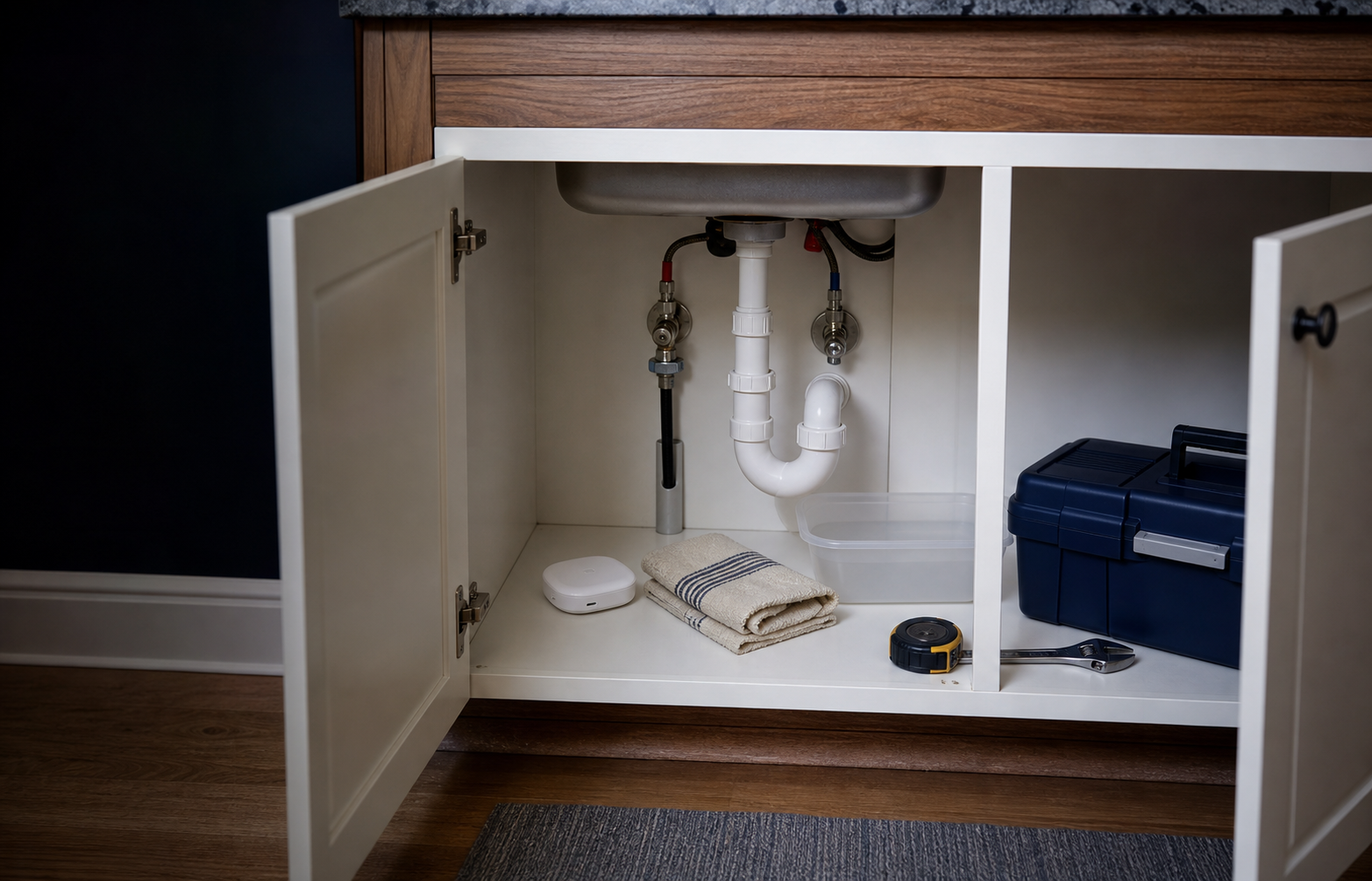
Follow up on water safely
Notice where water collects and whether exterior faucets, hose connections, or nearby areas show visible problems. EPA recommends ordinary attention to water-using fixtures and systems; do not force a valve or alter plumbing when something looks wrong.
When to call a professional
Stop and contact a qualified professional if the work involves electrical wiring, gas, structural damage, roof access, major plumbing changes, mold, lead, asbestos, or another hazardous material.
Related guides
Sources
Affiliate disclosure
No affiliate links appear in this guide. If a reviewed recommendation is added, the disclosure will appear beside it.