
Keep fall maintenance simple: document your systems, look for visible water and weather damage, prepare emergency supplies, and use qualified help for heating equipment, roofs, electrical systems, and anything you do not understand.
Do these five things first
Locate your main water shutoff, make sure household emergency supplies are reachable, record the HVAC filter size, walk around water-using fixtures for visible changes, and schedule qualified service early if your heating system needs attention.
These are planning tasks, not a reason to disassemble equipment. A short record of what you see and when it changed is often the most useful first step.
Inside walkthrough
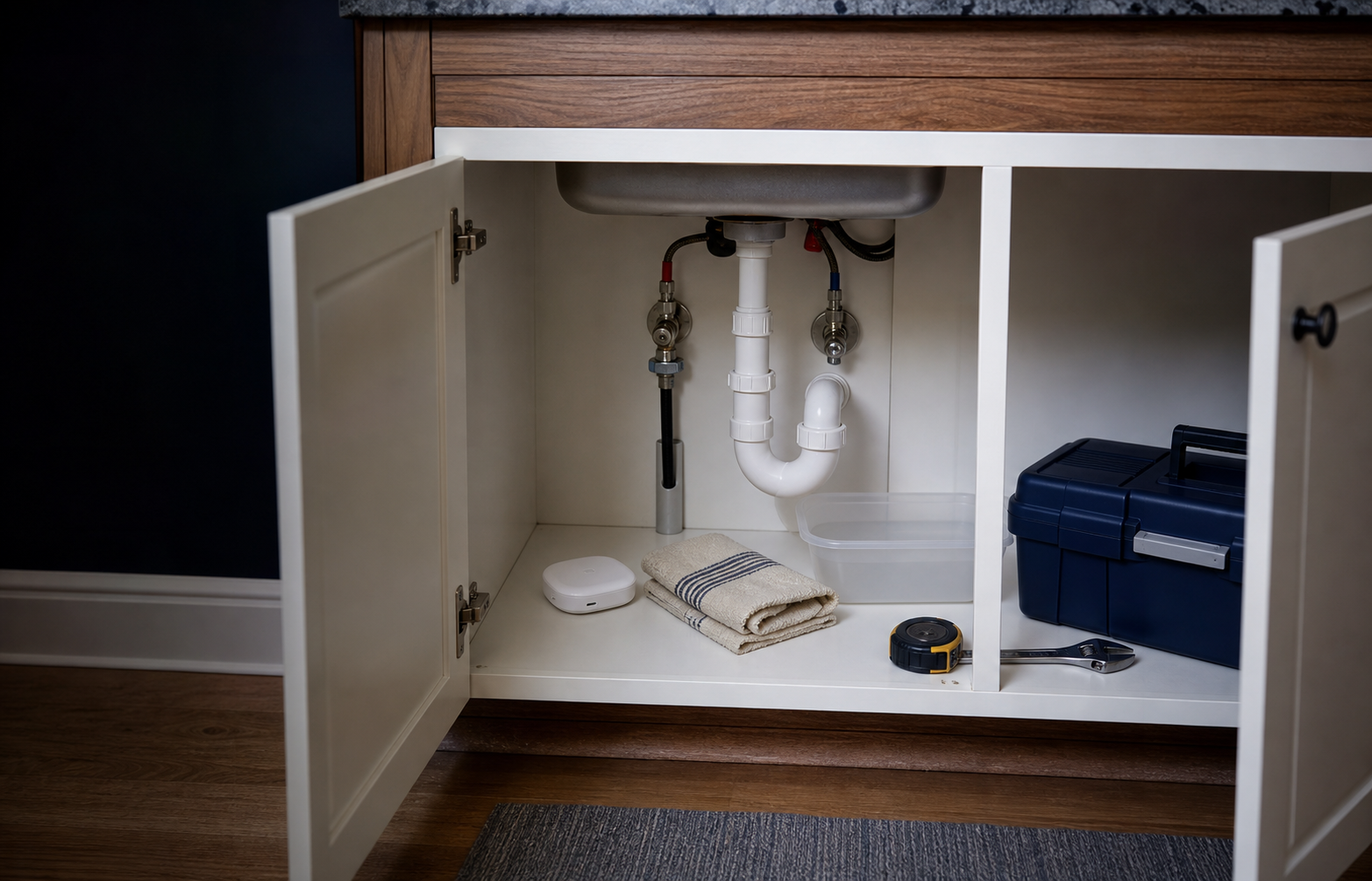
Look under sinks and around toilets, the water heater, dishwasher, washer, and refrigerator water connection for visible water, staining, corrosion, or odors. Test only safety devices according to their manufacturer instructions and keep exits, shutoffs, and equipment access clear.
Outside walkthrough
From the ground, note drainage changes, loose outdoor items, hose connections, and visible damage around doors and windows. Do not climb onto a roof, use an exterior ladder, or approach damaged electrical equipment as part of a homeowner walkthrough.
Water and freezing preparation
If freezing weather applies, learn which water lines and outdoor connections are part of your home’s setup. EPA advises homeowners to shut off and drain outdoor spigots before freezing temperatures arrive, while exact steps still depend on the home, local climate, and equipment instructions.
Heating readiness
ENERGY STAR recommends a professional pre-season check-up for heating equipment and says that a central furnace, air conditioner, or heat-pump filter should be inspected, cleaned, or changed about monthly as appropriate for the system. Do not open combustion equipment, change gas connections, or diagnose an unfamiliar heating problem yourself.
Doors, windows, and visible gaps
Notice drafts, damaged weatherstripping, loose hardware, and water staining around openings. Record the location and condition before choosing a repair; a visible gap can have several causes and may be tied to a larger moisture or building-envelope issue.
Emergency and outage supplies
Refresh flashlights, batteries or other approved power, drinking water, food, first aid, chargers, and household contact information. Ready.gov advises using battery-powered lights during outages and keeping fuel-burning equipment outside and away from openings.
Tasks that depend on climate, equipment, or ownership
Skip any task that does not apply. If this is owner-maintained, check with your HOA or building management before acting. If your area has winter storms, wildfire smoke, or extreme heat, follow local emergency guidance and the manufacturer documentation for your specific equipment.
Simple tools and supplies to prepare
Keep a flashlight, work gloves, towels, a notebook or phone camera, a basic first-aid kit, and the manufacturer-approved replacement filter if your system uses one. Tools help with observation and ordinary upkeep; they are not substitutes for safe access or professional diagnosis.
Recordkeeping for winter and next fall
Photograph model labels, filter sizes, shutoff locations, and visible conditions. Keep service dates and contractor notes with the home records. Review the list after a move, equipment change, or weather event so the next seasonal walkthrough starts with useful information.
When to call a professional
Stop and contact a qualified professional if the work involves electrical wiring, gas, structural damage, roof access, major plumbing changes, mold, lead, asbestos, or another hazardous material.
Related guides
Sources
Affiliate disclosure
No affiliate links appear in this guide. If a reviewed recommendation is added, the disclosure will appear beside it.