
Once a month, observe and record visible changes around water, safety supplies, and access areas. Only do physical maintenance when the task clearly applies to your home and you have the manufacturer’s instructions.

Match dishwasher care to the actual filtration system
Before adding a recurring dishwasher-filter task, check the full model and owner instructions. Some systems have owner-cleaned filters; others describe maintenance-free filtration with a separate foreign-object cup. The dishwasher-care guide adds a decision table, model-specific examples and a short maintenance note. Keep the permitted cleaning task, correct reassembly and any continuing drainage or leak symptom as separate entries; a completed cleaning cycle does not prove every component was cared for.
Record the kitchen hood configuration before filter care
Keep the installed hood’s exhaust arrangement, exact model and filter instructions together. A convertible product label or running fan does not establish outdoor exhaust, and a metal grease-filter cleaning task can differ from a non-washable odor-filter replacement. The range-hood guide adds a configuration table, model-specific interval examples and a reusable care note. Keep an unknown exhaust route open for qualified confirmation even if routine cleaning is complete.
Keep refrigerator settings separate from measured conditions
If you record a refrigerator check, copy its control setting and the separate appliance-thermometer reading into different fields, with units, method and times. A numbered dial is not automatically a degree value. The refrigerator-temperature guide explains an appropriate checking sequence, a fictional log and when to involve service. Handle a warm appliance or uncertain food exposure promptly through FDA guidance; a routine recheck date does not resolve food safety.
Notice recurring bathroom moisture
During the ordinary walkthrough, note whether bathroom surfaces repeatedly remain damp after normal fan operation. Keep the control setting, times and affected surfaces together, and resolve the actual fan instructions. The bathroom-fan guide explains which observations help a qualified assessment and why sound, a timer or a product rating alone cannot confirm installed performance. Do not mark a recurring moisture concern complete merely because the fan turns on.
Keep finish information separate from a repair decision
When a painted area needs follow-up, record its location and visible condition before choosing work. Keep any reliable paint brand, product line, color and sheen information in a separate room-and-surface reference. The paint-record guide explains label photos, evidence sources and missing details. Finding the correct color does not resolve an active leak, recurring stain or mold-like growth; retain that underlying issue as an open action until appropriate help addresses it.
Add an annual contents-inventory review
Keep possessions records separate from service and condition notes. After a major purchase or disposal, revise the affected inventory row and photo references; put an annual review on the calendar. The room-by-room home-contents guide explains a small starting session, missing-receipt notes and a simple check that your private copy can be retrieved away from home. An inventory does not itself establish insurance coverage or a payment.
Separate dryer filter care from unresolved drying changes
Record the dryer model and whether it is vented or ventless before adding a task. Ordinary accessible-filter care does not establish that a vented dryer’s exhaust route is clear. The focused dryer guide has a service-request record for changes in drying performance, existing messages and responsibility for shared exhaust. Do not move the appliance, repeat unsafe operation or turn a routine list into fuel, wiring or duct work.
Compare water use before interpreting a higher bill
Keep the billing period, stated units and reading type alongside any water-use observation. More gallons over more days can produce the same daily average, while a fixed-charge change can raise the price with unchanged use. The higher-water-bill guide gives separate fictional examples and a private comparison worksheet. Unexplained use needs follow-up; neither a total bill nor an average identifies a leak by itself.
Keep alarm testing and replacement as separate entries
Record an alarm test or battery change as the action actually completed, then retain the device’s separate replacement requirement. Do not move its service-life date forward just because maintenance was done. The smoke and CO date guide explains the separate clocks and provides a record worksheet; do not copy one manufacturer’s CO service life or sound pattern to every model.
Keep a record you can use next month
Use one notebook or private file with a consistent entry for each observation. Separate what you saw from what you think caused it, and proposed work from completed work. A maintenance record is useful even when the next action is to call a service provider. The fields below are an editorial template, not a legal recordkeeping or tax-retention schedule.
For example: Kitchen sink cabinet; October 23; a new dry stain visible on the floor; photo saved; source unknown; plumber contacted; follow-up awaiting advice. This is a fictional entry, not a diagnosis or a recommendation to defer an active leak. Mark a repair completed only after it has actually been completed, and record the provider or relevant instructions.
Choose the next due date from the installed equipment’s manual, service advice and your home’s conditions. ENERGY STAR distinguishes contractor maintenance from owner-level filter checks; do not copy a contractor’s electrical, refrigerant or combustion task into your own job list. Keep a private backup, and remove account numbers, passwords, access codes and private contact details before sharing a record.
- System, location and exact model if safely accessible: ___.
- Observation date, factual change and photo location: ___.
- Completed action, service provider or manual reference: ___.
- Next action, responsible person and reason for its timing: ___.
- Status: observed / awaiting help / completed / recheck needed.
Observe and record
Walk through the home and note new water, staining, corrosion, unusual odors, drips, alarms, or changes in how equipment sounds. Check that shutoff information, emergency supplies, and important contacts remain easy to find. A photo and date are useful even when you do not yet know the cause.
Physical maintenance only when it applies
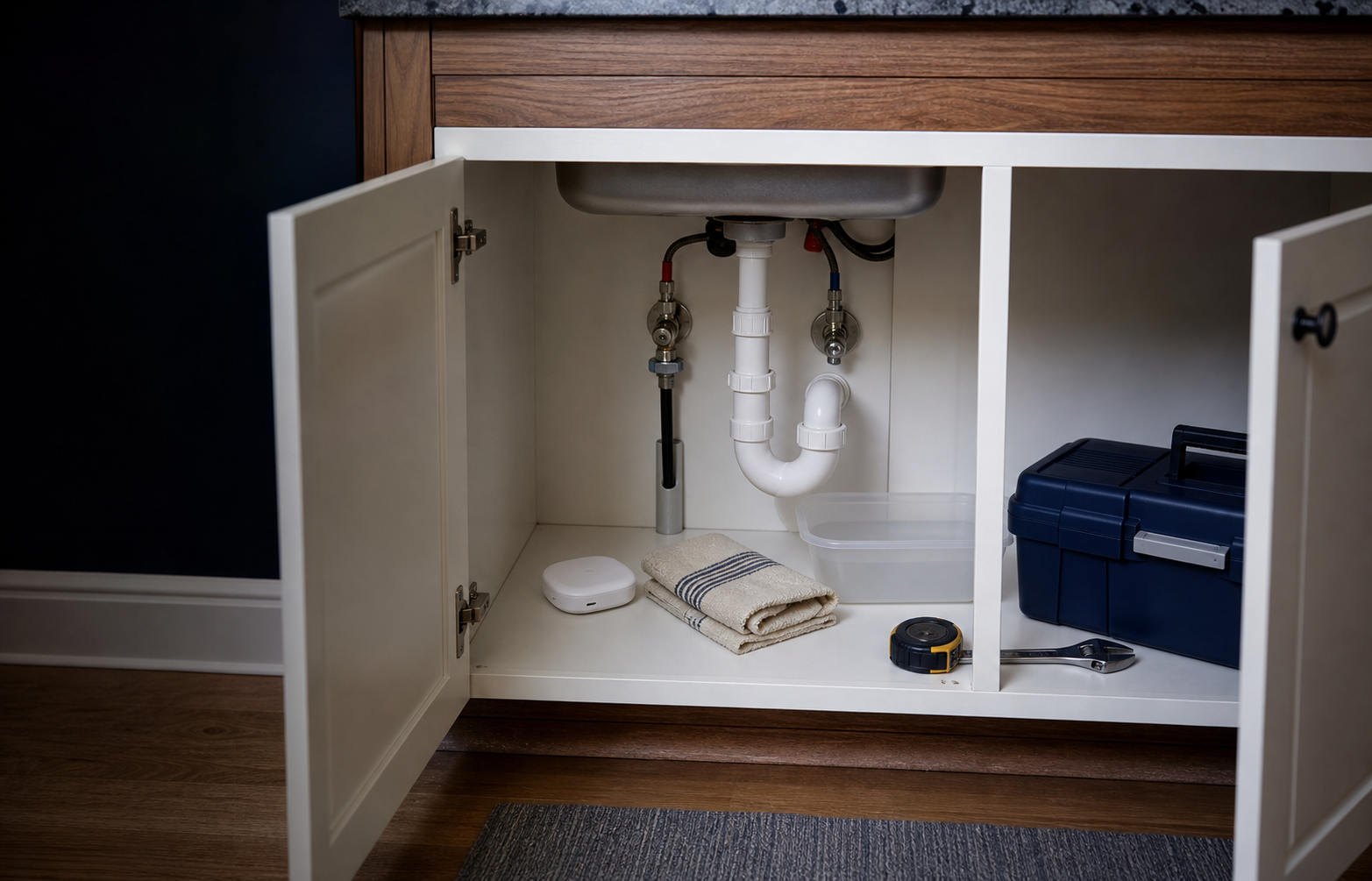
Use the manual for a specific appliance or system before changing a filter, cleaning a user-serviceable component, or testing a device. EPA recommends looking under sinks and at pipe connections for leaks; ENERGY STAR recommends checking central HVAC filters as appropriate for the system. Do not turn observation into electrical, gas, major plumbing, or equipment repair.
Owner and HOA applicability
If this is owner-maintained, keep the task in your list. If you rent, share building systems, or have an HOA or condo association, check with the responsible party before treating a common system or exterior feature as your maintenance job. Skip tasks that do not apply to your home.
When to call a professional
Stop and contact a qualified professional if the work involves electrical wiring, gas, structural damage, roof access, major plumbing changes, mold, lead, asbestos, or another hazardous material.
Related guides
Sources
Free next step
Download the free seasonal maintenance checklist to record observations and follow-up tasks. See the seasonal maintenance routine for more context.
Affiliate disclosure
No affiliate links appear in this guide. If a reviewed recommendation is added, the disclosure will appear beside it.