
Match the gun's approved container format and capacity to the exact sealant package. Then check the sealant's dispensing requirements. A “10 oz” tool label and a “10.1 fl oz” package label can describe the familiar small-cartridge category, but similar volume numbers alone do not prove physical fit or material compatibility.
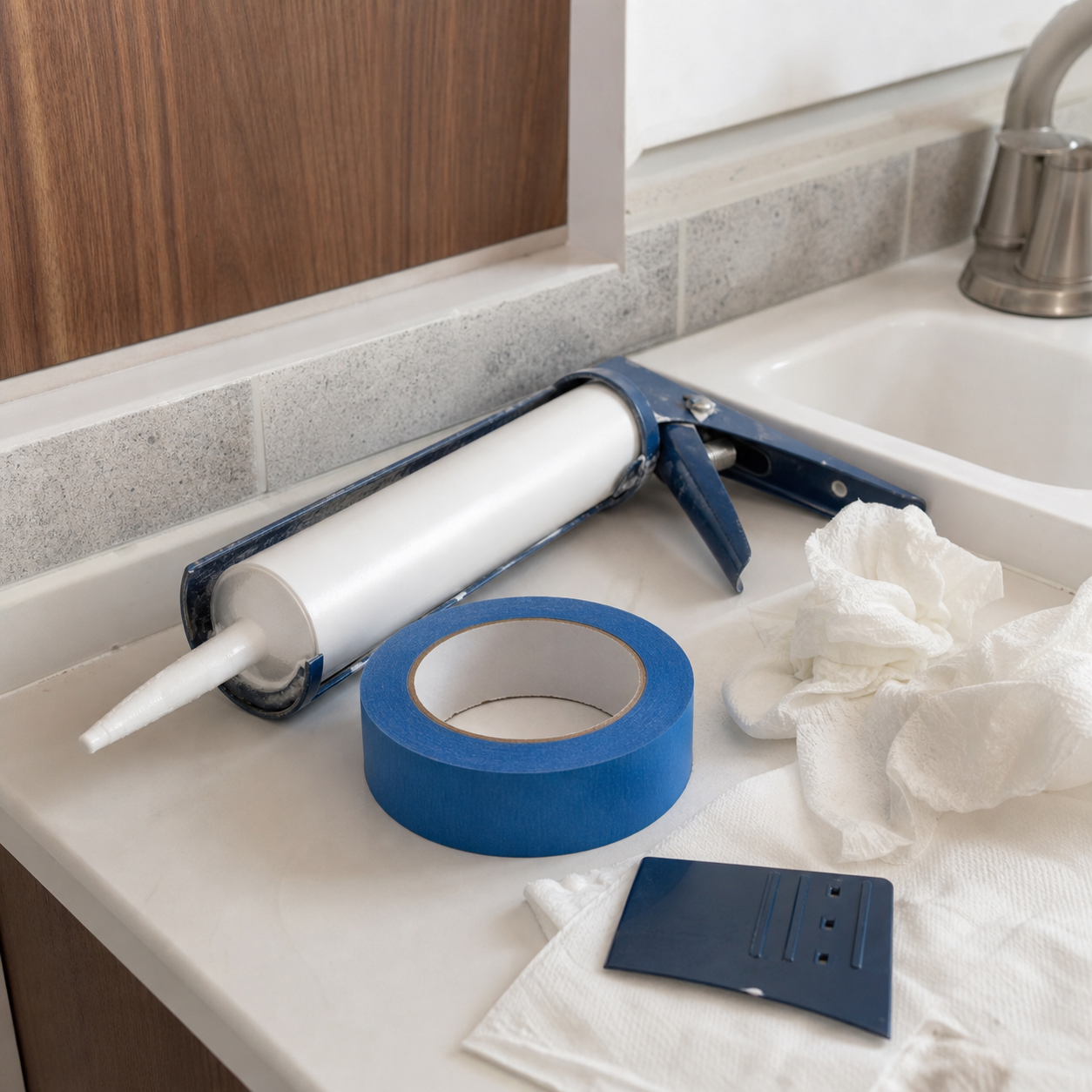

Identify the package before the gun
Newborn's resource center separates cartridge, sausage and bulk dispensing formats. Treat those as different equipment choices, not as interchangeable “tubes.”
- Rigid single cartridge: Tool's approved cartridge size and loading instructions
- Hand squeeze tube: Whether it is intended to be dispensed by hand rather than loaded in a gun
- Flexible sausage pack: Dedicated dispensing equipment or a specifically approved conversion
- Dual-component cartridge: Exact dispensing system and mixing requirements; outside this beginner guide
Read both capacity labels
Newborn lists model 250 as a 10 oz / 1/10-gallon cartridge gun. DAP's current Kwik Seal listing shows a 10.1-fluid-ounce option and smaller tube options. This illustrates why the shelf label may use rounded category language. It does not establish that every similarly labeled container fits every gun.
“Fluid ounces” describe volume. They are not a measurement of the cartridge's length or diameter. If the tool documentation does not clearly accept the package, take the exact model and product information to the manufacturer or retailer before opening either item.
Use a four-line shopping note:
Do not improvise a spacer or adapter because the plunger appears close to fitting. Similar-looking products may use a different container or application system.
- Sealant's exact product, color and package size.
- Package type: rigid cartridge, squeeze tube or another format.
- Gun's exact model and approved capacity.
- Any required adapter or dispensing guidance explicitly named by the manufacturer.
Fit and thrust are separate checks
A gun can accept a container yet be poorly suited to the material or the user. Compare the sealant directions with the gun's documented material range, release mechanism, grip and weight. Newborn's selection guide treats material/thrust selection separately from simple package choice.
A larger thrust-ratio number does not choose the correct sealant, prepare the joint, guarantee no drips or prove that a tool feels comfortable in your hand. For occasional household work, being able to hold and release the exact tool as instructed is more useful than buying from the largest number on the box.
If it will not dispense normally, stop
Check the exact product's opening, loading, storage and use instructions before dispensing. Do not use extra leverage, heat, a power drill or force on an unfamiliar container to overcome a jam. A stopped cartridge is a reason to review the setup, not proof that you need a more powerful gun.
Dispose of unusable material as directed by its label and local requirements. We have not diagnosed why any particular tube is hard to dispense.
Chemistry and application still come first
Packaging does not establish whether a sealant belongs on your surfaces or joint. Match the exact label and technical data sheet to the materials, exposure, ventilation, curing and cleanup needs. DAP's currently linked Kwik Seal sheet identifies the cartridge/tube formats and product-specific restrictions; it is dated 2019, so verify the instructions for the package in hand. Its interior-use statement also conflicts with broader wording on the marketing page. Obtain clarification rather than using that page to justify an exterior application.
Do not conceal active leaks, failed materials or mold with a new bead. EPA specifically cautions against painting or caulking moldy surfaces.
When to call a professional
Stop and contact a qualified professional if the work involves electrical wiring, gas, structural damage, major plumbing changes, mold, lead, asbestos, or another hazardous material.
Related guides
Sources
Free next step
Download the free seasonal maintenance checklist to record observations and follow-up tasks. See the seasonal maintenance routine for more context.
Affiliate disclosure
No affiliate links appear in this guide. If a reviewed recommendation is added, the disclosure will appear beside it.