
For a suitable tank toilet, EPA recommends adding a few drops of food coloring to the tank water and checking the bowl after 10 minutes without flushing. Color reaching the bowl indicates a leak. Flush immediately after the check to reduce staining risk. First confirm the fixture’s care instructions and safe tank access; this check does not diagnose every toilet problem.

Water outside the fixture needs its own response
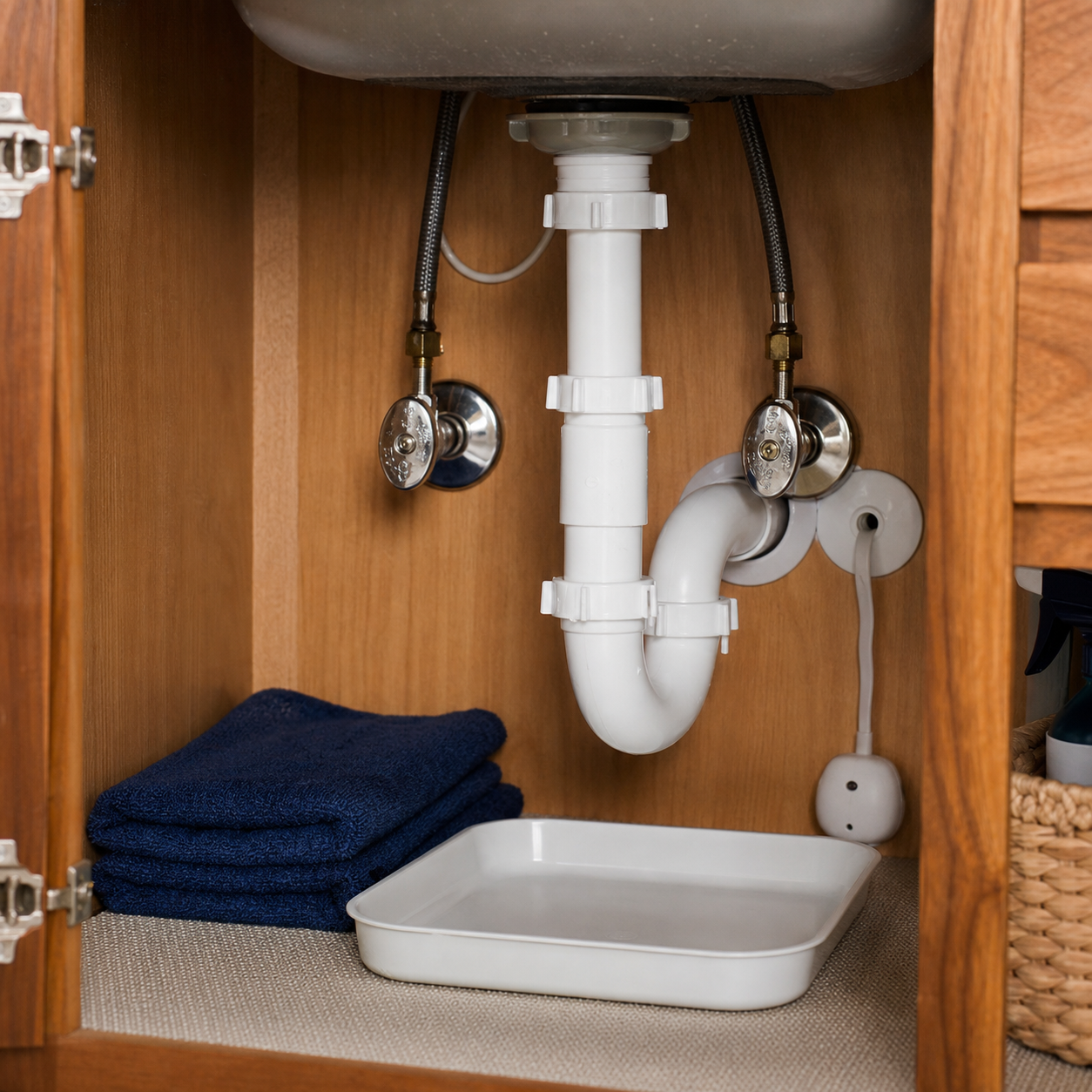
If water is appearing beside the toilet or at its base, stop using the fixture and arrange qualified help rather than performing this tank-to-bowl check. The toilet floor-water guide explains safe observations, recent-installation details and a useful repair-call record. A floor puddle does not identify a wax ring or another failed part.
Keep active exterior leakage separate from a silent tank leak and from wastewater returning through a drain. Do not repeat flushing to locate a leak or treat one negative dye observation as clearance for a wet bathroom.
An active backup needs a different response
Wastewater rising through a toilet, shower or floor drain is outside this tank-to-bowl check. Stop using affected sewer-connected plumbing and arrange urgent plumbing and local sewer or septic help; do not add dye or flush again to reproduce it. The wastewater-backup guide explains the contact plan, safe observations and a private call record.
Keep people away from contaminated water and wet electrical equipment. A falling bowl or drain level does not prove a blockage was repaired or affected materials were cleaned. Resume routine fixture checks only after the active incident and safe-use instructions are resolved.
Check suitability before starting
A toilet can let water pass from its tank into the bowl without leaving a puddle on the floor. EPA WaterSense includes a dye check in its home-maintenance advice and recommends checking for silent toilet leaks at least annually.
Use the instructions for your actual fixture and any leak-test product. You need a normal, safely accessible flush-water tank and an appropriate way to handle its lid. If the lid is heavy, access is awkward or the system is unfamiliar, arrange help. Do not open concealed service panels or a sealed or pressurized chamber to perform this check.
An overflowing fixture, active water on the floor or water near electricity needs an appropriate response now. Do not wait for a dye test. The related leak-alarm response guide covers recognizing an unsafe water situation.
Use EPA’s ten-minute check
Gather a timer and the test material permitted for the fixture. EPA’s household guidance uses a few drops of food coloring or a suitable leak-detection dye tablet. A cleaning block is a different product; do not substitute cleaners or mix chemicals to create a color signal.
The tank is the water-holding part that supplies the flush. The bowl is where you look for color afterward. Start with the toilet at rest between flushes and make sure you can distinguish any new color from the starting condition.
- Access the tank safely in accordance with the fixture instructions, without adjusting its components.
- Add the permitted test material to the tank water, using the applicable directions.
- Set a 10-minute timer and leave the toilet unflushed and unused during that interval.
- At the end, look for the test color in the bowl.
- Flush immediately after the observation to help avoid staining. Do not leave the dye overnight.
Read the result narrowly
EPA’s homeowner guidance treats color appearing in the bowl during the check as evidence of a leak. Its technical reference manual describes the tank-to-bowl check in terms of a leaking flapper or flush-valve seal. Toilet designs differ, so this observation does not identify a universal replacement part.
Because this check observes one path during one interval, it does not test every supply connection or establish that the whole home is leak-free. Use wording that describes what actually happened:
| Observation | Useful conclusion and next step |
|---|---|
| Test color appears in the bowl without a flush | A tank-to-bowl leak was observed; arrange model-appropriate diagnosis or repair. |
| No new color seen during this check | No color transfer was observed in that interval; retain other running-water or usage concerns for follow-up. |
| Someone flushed, the timing is unknown or the starting water was already colored | The result is unclear. Record the interruption rather than calling it a pass. Seek fixture-specific advice if needed. |
Example: a positive result and an interrupted check
Fictional example: the hall-bath toilet is left unused for the full ten minutes. Test color then appears in the bowl. The household flushes promptly and records “Color transfer observed; plumber contacted,” along with the fixture model already in its home records. It does not order a part solely from the color result.
In a second bathroom, someone flushes three minutes after the test begins. That entry says “Interrupted by use; no valid ten-minute observation.” It is not evidence that the second toilet passed or failed. Let other household members know when a check is underway so the result is easier to interpret.
Follow up on the actual fixture
EPA notes that worn flappers can leak and points homeowners to the exact model’s manual, manufacturer information and qualified help. Constant running, failure to flush or water continuously entering an overflow tube can need a different investigation. A dye observation is a starting point, not a complete diagnosis.
Keep the location, date, observed result, any running-water symptoms and known model together when requesting help. If the toilet is building-managed or you rent, establish who is responsible before changing components. This guide does not ask you to operate a stuck shutoff, remove a valve or disassemble plumbing.
After any repair, retain what was actually done and follow the applicable return-to-use and checking instructions. Mark “repair scheduled” separately from “repair completed.”
Connect the result to water use and leak detection
A spot moisture alarm on the floor answers whether water reaches its sensing contacts. An internal tank-to-bowl leak can remain inside the fixture, so a quiet floor alarm does not answer this question. Keep detector placement and appropriate fixture checks as separate parts of the household routine.
If a higher bill prompted the check, keep comparing billing days, recorded consumption and charges with the rising-water-bill guide. Finding one leak does not establish the entire cause of a bill, and this article does not estimate the gallons lost or promise a particular saving.
Use the free homeowner checklist’s follow-up log to keep the next action visible. Keep an unresolved symptom open even when one short check shows no color transfer.
When to call a professional
Stop and contact a qualified plumber or other appropriate professional if water is actively spreading, you cannot safely find the shutoff, the leak involves a wall or ceiling, or a repair would require changing plumbing.
Related guides
Sources
- American Standard FAQ14: Newly installed toilet leaking around the base when flushed
- King County: Know Your Sewer System, Know Who To Call — response and contact card (PDF)
- EPA WaterSense: Home Maintenance — toilet leak checks and follow-up
- EPA WaterSense: Fix a Leak Week — ten-minute dye check and prompt flushing
- EPA: Technical Reference Manual for WaterSense Labeled Homes, July 2023 — toilet leak protocol (PDF page 17)
Free next step
Download the free seasonal maintenance checklist to record observations and follow-up tasks. See the seasonal maintenance routine for more context.
Affiliate disclosure
No affiliate links appear in this guide. If a reviewed recommendation is added, the disclosure will appear beside it.