
Start by observing a visible, accessible gap at a door or window you understand. Match any weatherstripping to the location and manufacturer instructions, and use qualified help for water intrusion, damaged frames, broken glass, structural movement, or unfamiliar hardware.
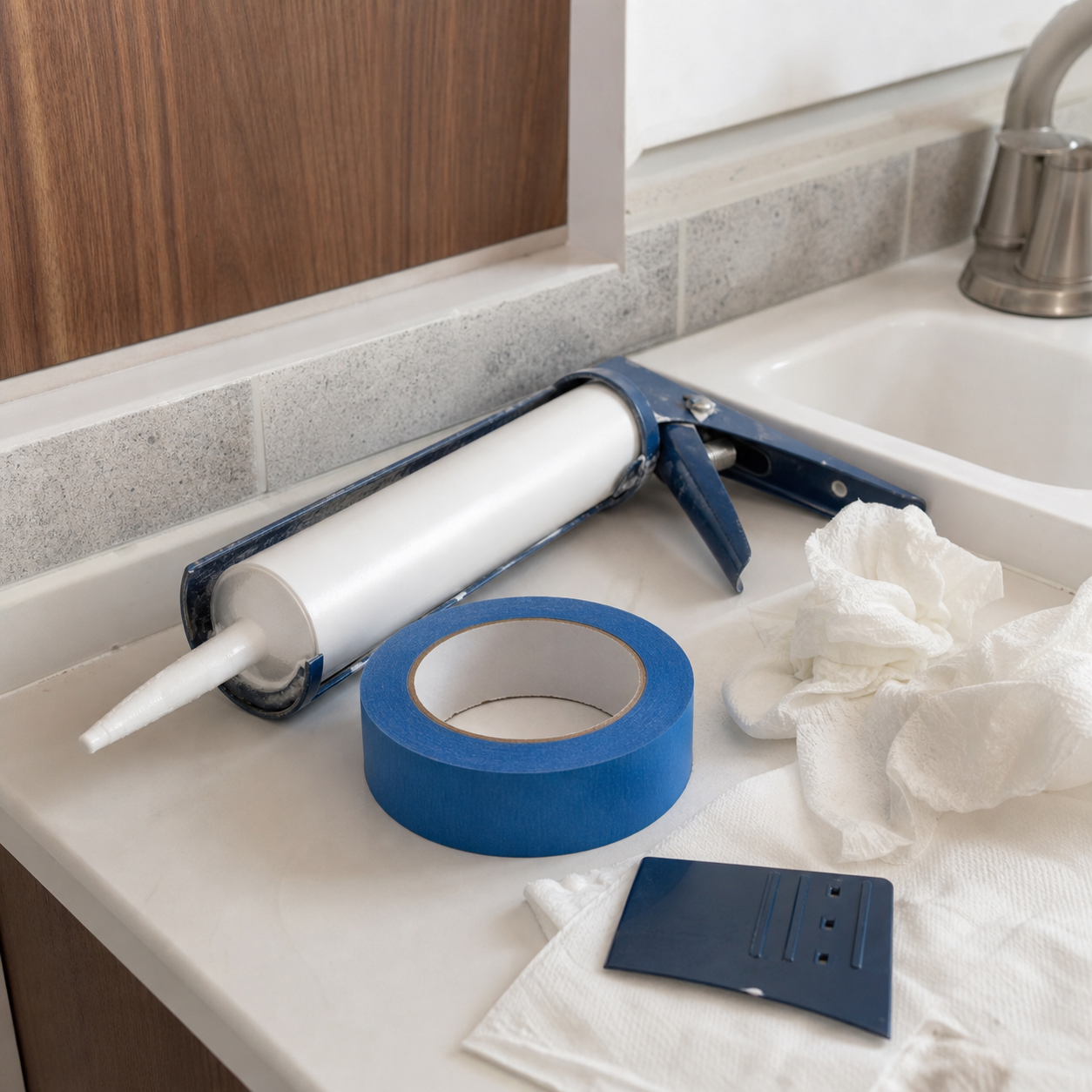

Observe the gap before buying material
Notice whether the issue is a small air gap around an accessible door or window, a worn seal, a missing piece, or a condition that appears only during rain. Photograph the location and note whether there is visible water, staining, soft material, or trouble opening and closing the unit.
The U.S. Department of Energy describes weatherstripping and caulking as ways to reduce air leakage around suitable openings. They are not a repair plan for moisture damage, a misaligned door, a broken window, or a building problem whose cause is unknown.
Keep the task small and product-specific
For a clearly appropriate, accessible location, read the product label and the door or window instructions before removing anything. Confirm the intended surface, temperature range, preparation, adhesive or fastener method, and whether the product affects opening, closing, locking, drainage, or emergency egress.
Do not block a drainage path, seal a weep opening, force hardware, or use a ladder to reach an exterior location. Stop if the job requires removing a window, changing hardware, working at height, or using tools you do not understand.
When weatherstripping is not the answer
Call qualified help for recurring water, cracked or broken glass, visible rot, a door or window that will not latch, substantial movement, an unknown draft source, mold-like growth, or damage that affects safety or security. If common windows, exterior doors, or building-envelope work are managed by an HOA or building manager, confirm responsibility first.
Use a different response when rainwater reaches the room
Water at interior trim or on the floor during rain needs a source investigation before a weatherstripping purchase. Safely record the room, first visible location and timing, then contact the building or appropriate window professional. Keep away from wet electrical equipment, broken glass and loose parts; do not approach an exterior opening during unsafe weather.
The focused window-water guide explains what to report and why a known drainage track is not the same as unexplained interior entry. Do not fill unidentified gaps or weep openings, hose-test the window or remove trim to choose a material. Leave a small air-gap task on hold until the actual water problem and any affected materials have appropriate follow-up.
Rainwater at an entry door needs a source and repair handoff
If rainwater reaches the floor at an exterior entry door, do not infer that a new sweep or thicker strip will solve it. First address unsafe access, rising water and electrical hazards. Record where water was first observed without forcing the door, removing trim or spraying it to reproduce the problem.
The exterior-entry-door rainwater guide adds a repair-call table and questions about the actual door system, intended drainage and the surrounding opening. JELD-WEN’s care manual warns against sealing previously unsealed areas when intended locations are uncertain. Keep temporary containment, source repair and wet-material work separate.
When to call a professional
Stop and contact a qualified professional if the work involves electrical wiring, gas, structural damage, major plumbing changes, mold, lead, asbestos, or another hazardous material.
Related guides
Sources
- U.S. Department of Energy: Air Sealing Your Home
- OSHA: Ladder Safety
- Andersen: Important Product, Care and Maintenance Information, 9184628 BB, June 2, 2023 — product identification, operation and drainage limits
- Andersen: Installing windows for continuous water control — professional explanation of the window-to-wall water-management connection
- CDC: Reentering Your Flooded Home — wet-electrical and storm-damage safety boundaries
- JELD-WEN: Care and Maintenance — Interior and Exterior Doors, JCM005 revision July 2024; seal locations, weep gap and hose warning
- Pacific Northwest National Laboratory: Windows and Doors are Fully Flashed — door and wall water-management connection
- National Weather Service: During a Flood — rising water, evacuation and electrical hazards
- EPA: Mold Cleanup in Your Home — fix the water problem, dry materials and obtain experienced contaminated-water help
Free next step
Download the free seasonal maintenance checklist to record observations and follow-up tasks. See the seasonal maintenance routine for more context.
Affiliate disclosure
No affiliate links appear in this guide. If a reviewed recommendation is added, the disclosure will appear beside it.