
Observe where and when moisture appears, photograph recurring conditions, and use ventilation or equipment instructions that apply to your home. Do not assume all condensation is harmless or open walls to investigate a moisture problem.
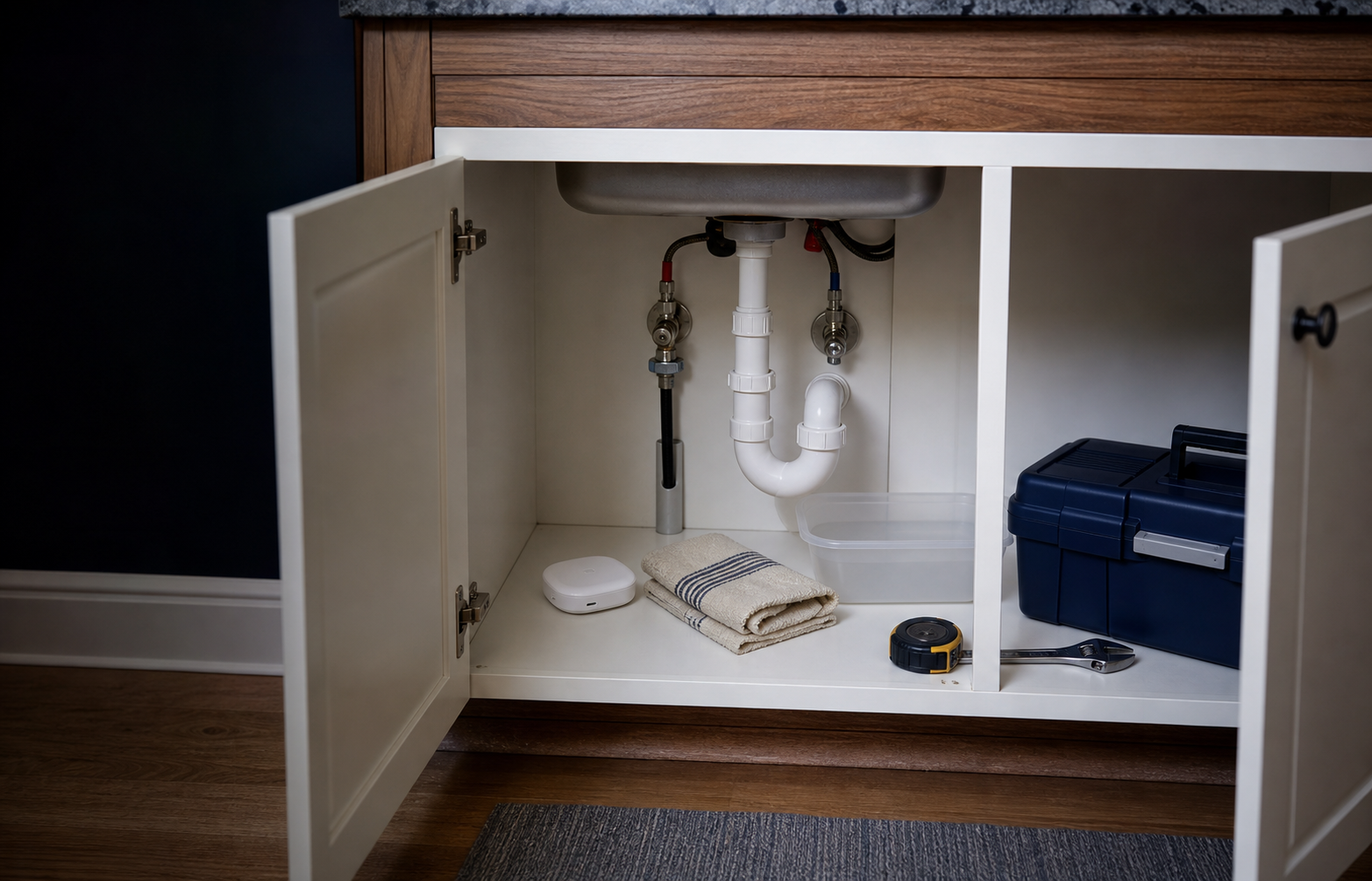
Start with observation
Note the surface, room, weather, time of day, and whether the moisture follows bathing, cooking, cooling, or rain. Look for visible water, staining, damaged finishes, musty odors, or recurrence. A pattern gives a qualified professional better information than a single guess about the cause.
Use ordinary ventilation as designed
Use bathrooms, kitchens, and cooling equipment according to their instructions. EPA notes that moisture can contribute to mold and other indoor-air concerns, but a homeowner should not treat a ventilation setting or a generic internet tip as a diagnosis for a hidden leak or building problem.
When it deserves help
Contact qualified help for recurring moisture, visible mold-like growth, water damage, unexplained staining, condensation inside an inaccessible area, or any concern involving electrical equipment or a hidden leak. Do not open walls, disturb suspected hazardous materials, or attempt mold remediation based on a beginner checklist.
When to call a professional
Stop and contact a qualified professional if the work involves electrical wiring, gas, structural damage, roof access, major plumbing changes, mold, lead, asbestos, or another hazardous material.
Related guides
Sources
Affiliate disclosure
No affiliate links appear in this guide. If a reviewed recommendation is added, the disclosure will appear beside it.